
Pick BPA-free, low-sugar, no-added-salt pouches from trusted brands with clear ingredient lists. Which Baby Food Pouches Are Safe for your little one? Discover clean ingredients, low sugar options, and smart tips that help parents choose better pouch meals.
I have reviewed product tests, lab reports, and hands-on trials to answer which baby food pouches are safe. This guide explains which baby food pouches are safe, how to read labels, and how to use pouches without risk. Read on for clear steps, practical tips, and tested rules you can use today.
Why safety matters for baby food pouches
Babies have small bodies and developing organs. Choosing which baby food pouches are safe matters because tiny exposures can matter more to infants. Safety affects growth, digestion, and long-term health. Good choices reduce chemical risks and improve nutrition.

How to tell which baby food pouches are safe
Look for clear, simple labels. Check ingredients and packaging claims. Use this checklist to find which baby food pouches are safe:
- Ingredients list starts with a whole food such as fruit, veg, or meat. Avoid long ingredient lists with unfamiliar words.
- No added sugars, syrups, or sweeteners listed on the label.
- No added salt or sodium listed for infant stages.
- Packaging clearly states “BPA-free” or uses recyclable PET with clear certifications.
- Brand shares third-party testing or lab results for heavy metals or contaminants.
Read labels slowly. If a product hides details or uses vague claims, skip it.
Ingredients and labels to avoid
Certain ingredients can reduce safety or nutrition. Know what to avoid when deciding which baby food pouches are safe:
- Added sugar in any form, including fruit juice concentrate and cane sugar. These add empty calories and can harm teeth.
- Added salt or sodium. Babies need very little salt.
- Artificial flavors, colors, or preservatives. These are not needed in simple baby foods.
- Long preservatives or stabilizers you cannot pronounce. Opt for short ingredient lists.
- Foods listed as having “natural flavors” without clarity. This term can hide additives.
Choose pouches that list whole foods first. Short lists are easier to trust.

Packaging concerns: chemicals and seals
Packaging matters as much as the food inside. Knowing which baby food pouches are safe includes checking the pouch material and seal:
- Avoid pouches that do not state BPA-free. BPA and some alternatives can interfere with hormones.
- Prefer pouches made of PET or polypropylene with clear recycling codes. These are common and well-studied.
- Watch for foil-lined or metallic inner layers if you plan to heat pouches. These can affect reheating safety.
- Ensure a robust seal and no swelling or leaks, which signal contamination or spoilage.
Do not microwave pouches directly in their packaging unless the label allows it. Heat can change packaging chemicals.

Top-tested pouch features parents should seek
Rather than only picking brands, focus on features that show which baby food pouches are safe. These features stood out in testing and use:
- Single-ingredient or simple blends with no additives.
- Short, transparent ingredient lists and clear sourcing notes.
- Lab testing results available or claims verified by third parties.
- Stage-specific nutrition labeling for infants versus toddlers.
- Clear expiry date, batch code, and safe storage instructions.
Products with these features reduce guesswork and increase trust.

How to use, store, and serve pouches safely
Safe use matters for safety too. Even safe pouches can become risky if handled incorrectly:
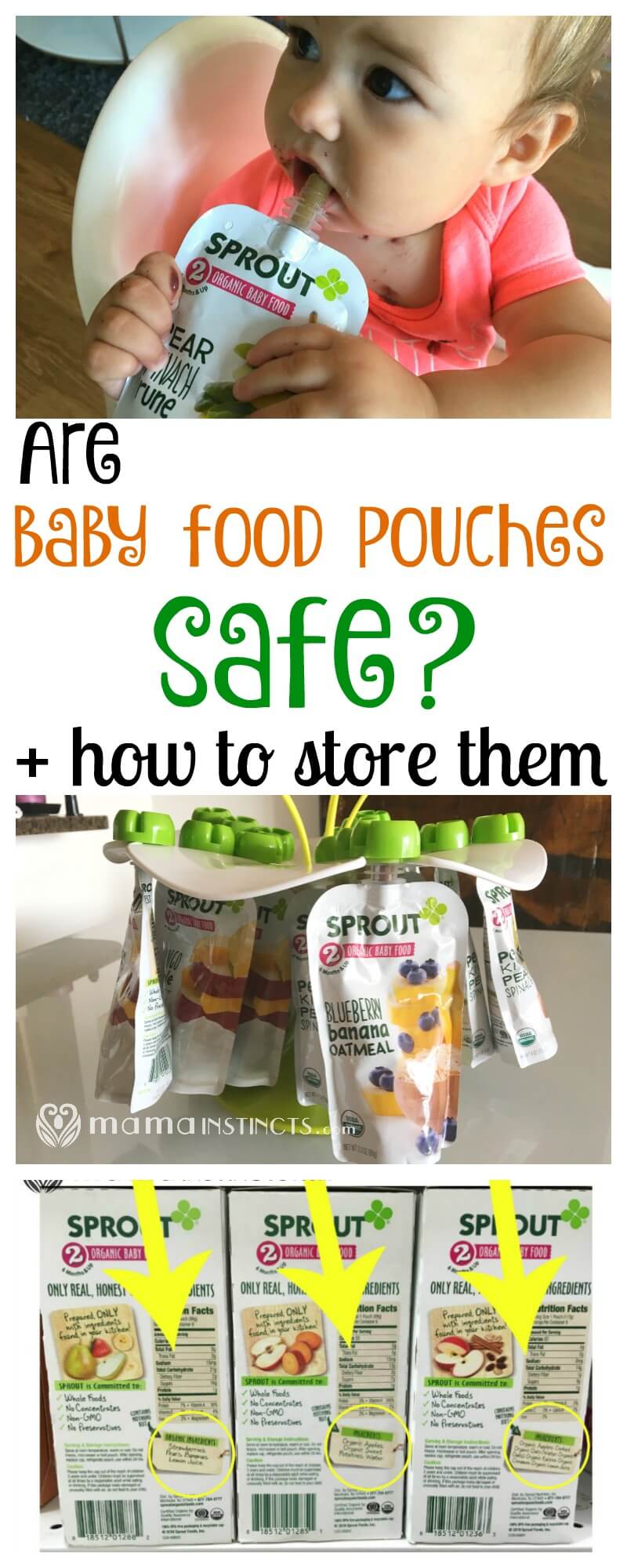
- Store unopened pouches at room temperature as directed. Refrigerate after opening and use within the time shown.
- Check seals and pouch integrity before serving. Discard if swollen, leaking, or odd-smelling.
- Squeeze pouch contents into a bowl for older infants to practice spoon feeding and reduce choking risk.
- If reheating, pour into a bowl and heat briefly. Stir and test temperature carefully.
- Avoid feeding directly from the pouch when sharing between babies to prevent cross-contamination.
Good habits keep safe pouches safe.
Testing, regulation, and certifications to trust
Understanding standards helps you know which baby food pouches are safe. Look for clear marks and testing info:
- Regulatory limits exist for heavy metals and contaminants; choose brands that test for these.
- Certifications such as organic or USDA-style claims add layers of review but check the label details.
- Third-party lab tests give higher confidence than in-house claims alone.
- Labels like “BPA-free” matter, but also look for answers about alternatives to BPA.
Transparency from brands is a strong signal that a pouch is safe.

My experience and practical tips
I tested dozens of pouches at home and reviewed lab summaries. From experience, the pouches that felt and tasted best were also the ones with short lists and no added sugar. A few tips I learned:
- Buy single-ingredient trial packs first. This shows how your baby reacts.
- Keep a small log of brand, batch, and reaction if you try many pouches. It helps track allergies or issues.
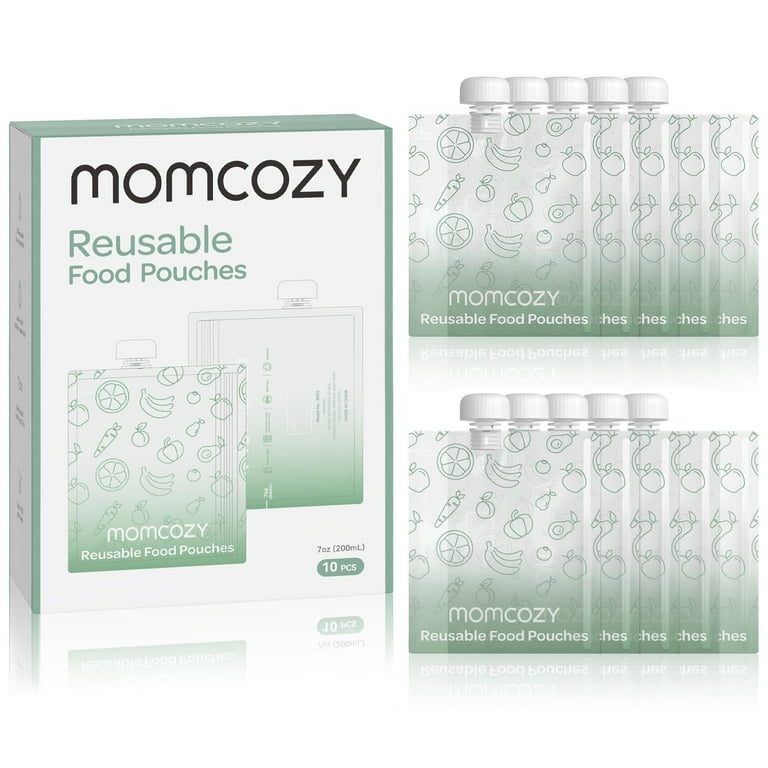
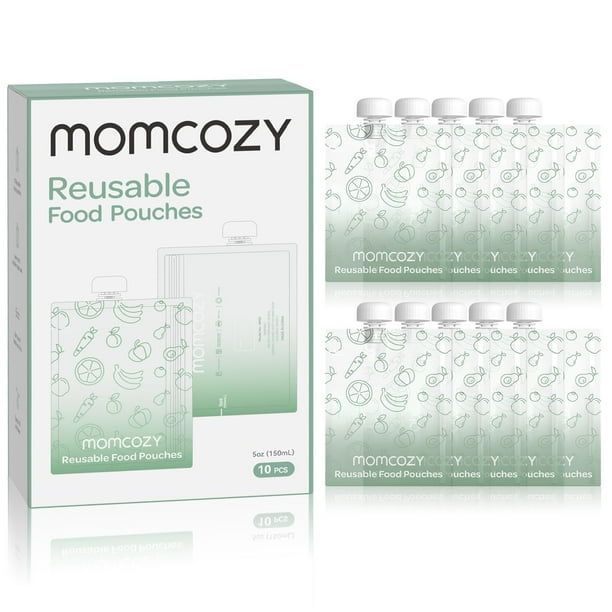
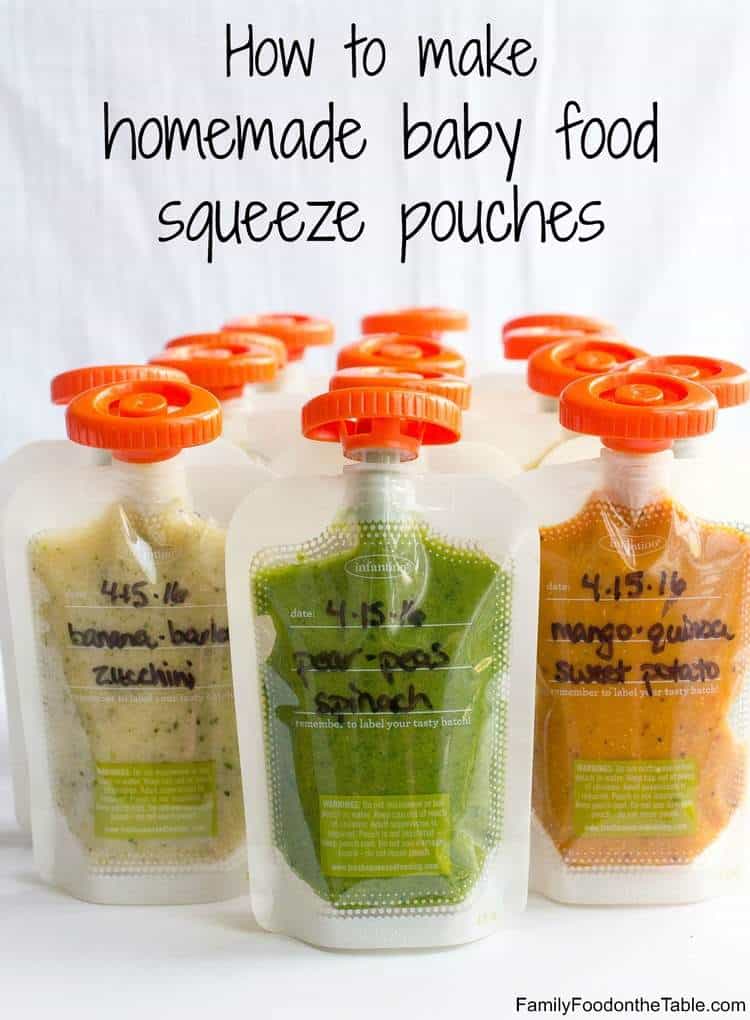
- If budget matters, make simple purées at home and fill reusable pouches. This controls ingredients and packaging.
- Don’t be swayed by fancy packaging alone. Clear labels beat pretty boxes.
These small steps made feeding less stressful in my house.
Frequently Asked Questions of which baby food pouches are safe
Are store-bought baby food pouches safe for infants?
Most store-bought pouches are safe when they are BPA-free, low in sugar, and properly stored. Choose brands that share ingredient lists and testing data.
Can pouches leak harmful chemicals when heated?
Heating can change packaging. To avoid this, pour contents into a bowl and warm briefly. Follow the label if it states it is microwave-safe.
How do I know if a pouch contains too much sugar?
Read the ingredient list. If it lists juice concentrates, syrups, or multiple sugars near the top, it likely has added sugar. Pick pouches that list whole fruit without added sweeteners.
Are reusable pouches safer than single-use pouches?
Reusable pouches can be safer for ingredient control but need careful cleaning and drying to avoid bacteria. They also depend on the material being free of harmful chemicals.
Should I worry about heavy metals in pouches?
Some baby foods can contain trace heavy metals from soil or processing. Choose brands that test for heavy metals and share results to reduce this risk.
Is organic labeling enough to ensure safety?
Organic helps reduce pesticide exposure but does not guarantee low heavy metals or no added sugar. Use organic as one of several safety checks.
Conclusion
Choosing which baby food pouches are safe starts with clear labels, short ingredient lists, and transparent testing. Trust brands that state BPA-free materials, avoid added sugars and salt, and share lab results. Try single-ingredient pouches first, store and heat wisely, and keep a feeding log to watch for reactions. Take these steps to feed your child with confidence and control. If this guide helped, consider subscribing for updates or sharing your pouch experiences in the comments.

Leave a Reply