
Bath seats can be risky for babies and must always be used with close, active supervision. Find out if Are Bath Seats Safe For Babies. Easy advice for parents to ensure safety and comfort during baby baths. As a pediatric caregiver and parent educator with years of hands-on experience, I will walk you through a clear, evidence-based look at are bath seats safe for babies.
This article explains how bath seats work, the real risks, smart safety steps, and safer options. Read on to make an informed choice that protects your child and gives you confidence at bath time.

Are bath seats safe for babies?
Many parents ask are bath seats safe for babies because they seem to help. Bath seats are designed to help a baby sit in the tub. They come in shapes like rings, buckets, or reclining inserts. These products may feel helpful, but they do not make bath time hands-free.
Research and safety reports show that bath seats can give a false sense of security. Babies can tip, slide, or drown in very small amounts of water. Caregivers must always stay within arm’s reach and keep full attention. Understanding these facts helps you reduce risk and keep baths safe.
Key points to know:
- Bath seats do not replace supervision.
- Suction cups and straps can fail.
- Young infants lack the muscle control to sit safely on their own.

How bath seats work and common types
Bath seats aim to support an infant who cannot sit steadily alone. They often attach to a standard tub with suction cups or rest inside a baby tub. Common types include:
- Seat rings that surround the baby and attach to the tub floor.
- Bucket seats that support the back and legs with a high back.
- Reclining inserts that prop infants at an angle inside a larger tub.
- Suction-based booster seats for older babies who can sit but need more support.
Each design has limits. Suction cups can lose grip. Mold or wear can weaken plastic. Manufacturers provide age and weight limits. Follow those limits and consider how your child moves before using any seat.

Risks and safety concerns
The main safety issues when asking are bath seats safe for babies include drowning, tipping, and entrapment. Babies can slip under water in seconds. Key risks include:
- Drowning in shallow water when a baby slides forward.
- Tipping if the seat is unstable or the baby leans.
- Suction failure causing sudden collapse.
- Limb or head entrapment in gaps or openings.
- False sense of security leading to reduced supervision.
Even a few inches of water is enough for fatal drowning. Many safety authorities recommend never leaving a baby unattended in a bath, even for a moment. The safest practice is constant, arms-on supervision and avoiding reliance on a seat to hold the baby.
PAA-style question examples:
- Will a bath seat prevent drowning? No. It may reduce slipping for some babies but cannot prevent drowning if supervision lapses.
- At what age are bath seats safer? Seats are typically for babies who can sit with help; safety improves as the child gains head and trunk control.
Benefits and limitations
Bath seats can offer certain practical benefits. They may:
- Help older infants stay upright and enjoy bath play.
- Reduce the fatigue of holding a baby for every minute.
- Provide a secure feeling when used correctly.
However, limitations matter:
- They are not rescue devices.
- They are not suitable for infants who can’t support their heads.
- They can fail due to wear, improper cleaning, or incorrect application.
Balance the benefits with the limits. If you choose a bath seat, adopt strict safety rules and check the product regularly.

Guidelines for safe use
If you decide to use a bath seat, follow these clear steps to reduce risk:
- Always supervise. Keep the baby within arm’s reach and maintain eye contact.
- Follow age and weight limits exactly from the manufacturer.
- Place the seat on a flat, clean tub surface and press suction cups firmly.
- Test suction before each use by pulling gently on the seat.
- Fill the tub with only 2–4 inches of water for young infants.
- Never leave the room, even for a brief task.
- Keep all bath items within reach so you never have to turn away.
- Replace seats that show cracks, warped plastic, or weakened suction.
- Teach toddlers not to climb into the tub alone.
A simple safety checklist helps. Use it every bath. Small habits reduce big risks.
Alternatives to bath seats
If you are unsure whether bath seats are safe for babies, consider these alternatives:
- Infant tub in sink or counter that keeps baby secure and shallow water.
- Non-slip tub mat and a firm hold by an adult for older infants.
- Soft-sided baby bathtub with molded support and low center of gravity.
- Bathing on a padded surface outside the tub with sponge baths for newborns.
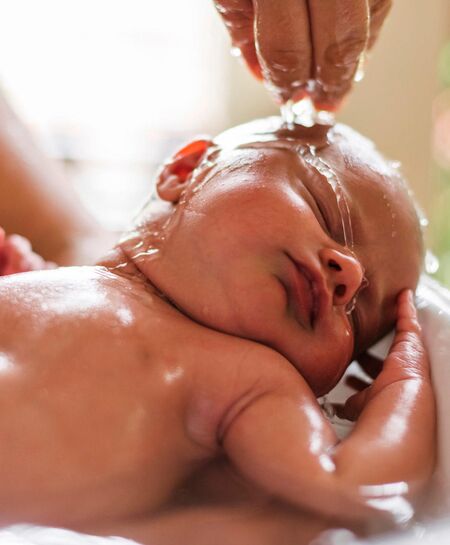
Many parents find that holding the baby or using a small infant tub feels safer and more bonding. Choose the option that fits your child’s development and your comfort level.

Personal experience and practical tips
From my work with families, I learned that bath seats can be useful short-term for steady infants. I once had a client who used a seat for a six-month-old. The seat seemed secure, but suction failed one day and the baby slipped. No one was hurt, but the family stopped using the seat after that.
Lessons I share often:
- Test any seat many times before trusting it.
- Treat a bath seat as an aid, never a babysitter.
- Clean and dry seats to prevent mold and slippage.
- Practice baths with a partner until you feel safe alone.
These tips come from real cases and help parents avoid common mistakes.

Frequently Asked Questions of are bath seats safe for babies
Are bath seats safe for newborns?
No. Newborns lack head and neck control. Use sponge baths or a small infant tub designed for newborns until the baby can support their head.
Can bath seats prevent tipping?
Not reliably. Seats can tip if the baby shifts weight suddenly or if suction fails. Always stay within arm’s reach.
When can a baby safely use a bath seat?
A baby should have good head and trunk control and meet the product’s age and weight guidelines. Even then, constant supervision is required.
Are suction-cup seats reliable?
They can be, but suction bonds weaken with wear, grime, or textured tub surfaces. Test suction before each use and inspect frequently.
What is the safest way to bathe a baby?
The safest method is active, hands-on supervision in a shallow tub or sink. Keep the baby within arm’s reach and avoid leaving the room.
Conclusion
Bath seats can offer convenience but come with real risks. When evaluating are bath seats safe for babies, remember that no seat replaces active adult supervision. Use seats only when the baby meets age and weight guidelines, check devices often, and follow strict safety habits. Make the safer choice for your family’s routine. Share your experience below, subscribe for more child safety guides, or explore trusted resources to learn more.


Leave a Reply