
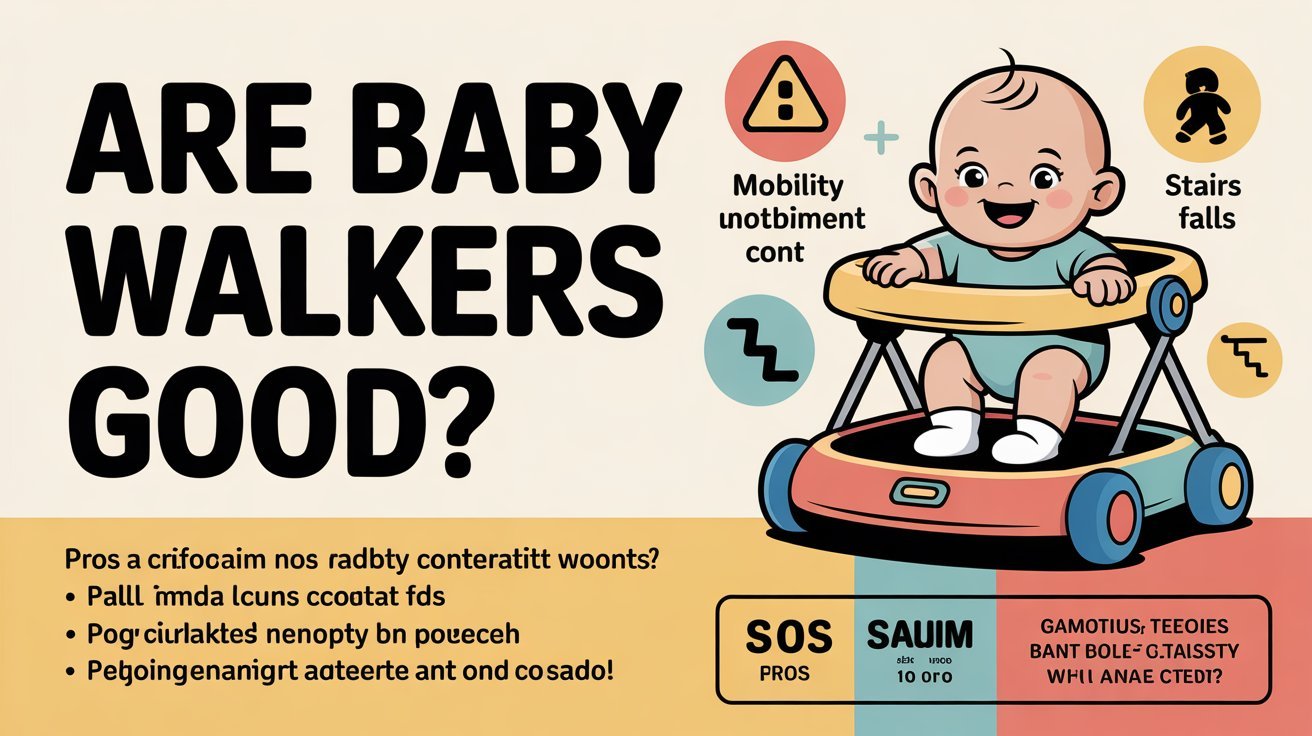
Baby walkers are not recommended for most infants due to safety and potential developmental risks.
As a child-safety advisor and parent who has reviewed product tests and pediatric guidance, I will walk you through the facts on are baby walker good. This article explains how walkers work, the possible benefits, real safety risks, developmental research, safer alternatives, and practical tips for parents. Read on to make an informed choice that keeps your child safe and supported.
Understanding baby walkers
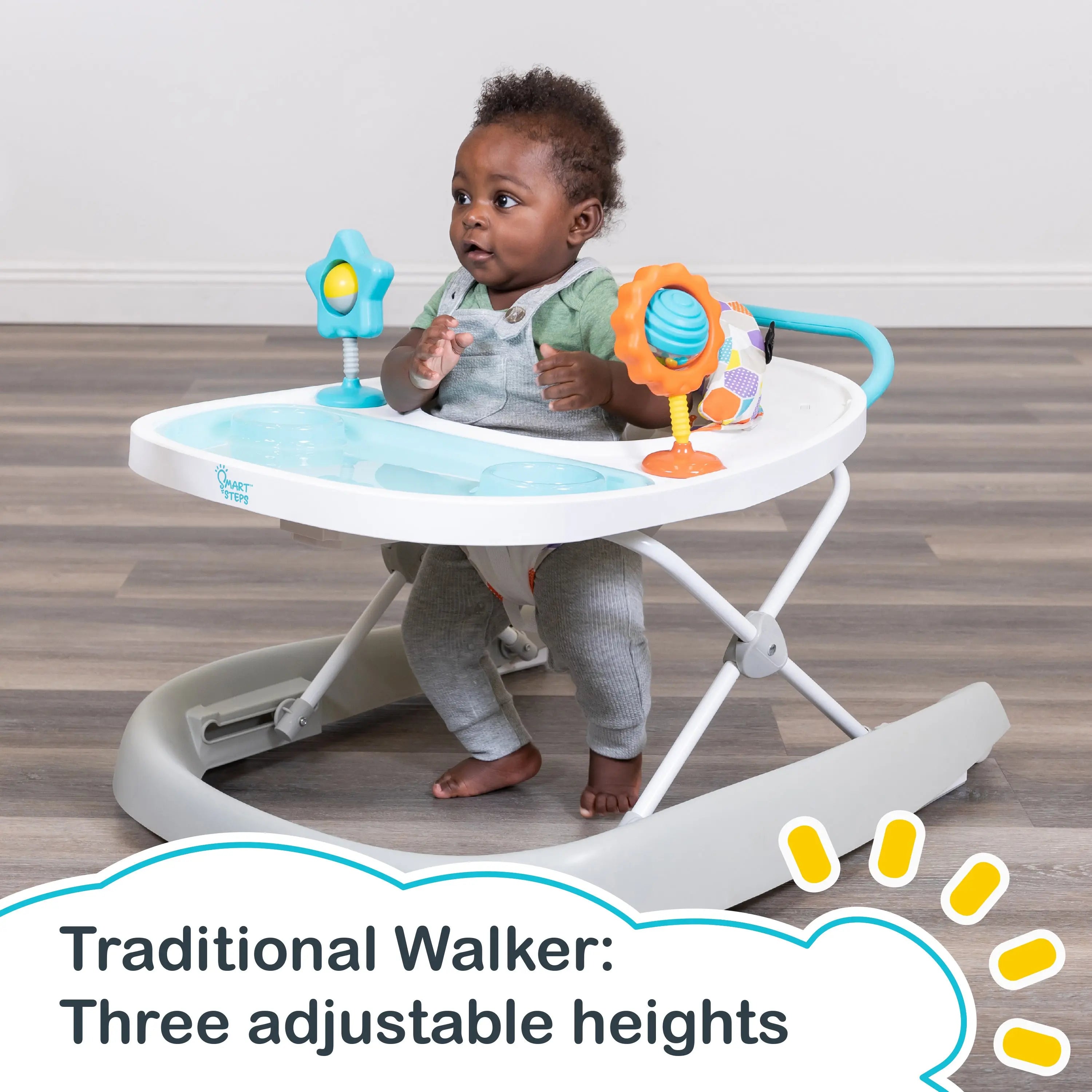
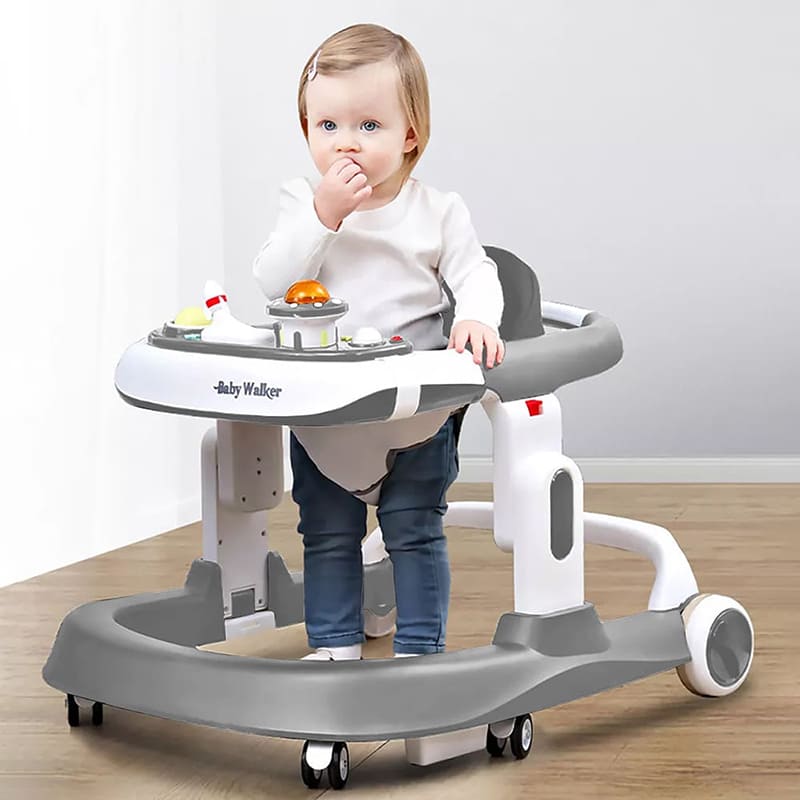
A baby walker is a frame on wheels with a seat. It allows a baby to sit and move using their feet. Walkers come in many styles. Some are low-cost plastic models. Others are activity centers with toys and lights.
Parents often ask are baby walker good for learning to walk. The short answer is complex. The device may let a baby move, but it can also change how they learn to balance and step.

Potential benefits
Some parents see clear short-term advantages. Benefits include:
- Mobility and fun: Babies enjoy the movement and new views.
- Toys and stimulation: Many walkers have built-in activities that engage sight and touch.
- Temporary containment: A walker can keep a baby in one place for short periods while supervised.
These positives can feel helpful. Still, benefits do not outweigh safety or developmental concerns for many experts.
Risks and safety concerns
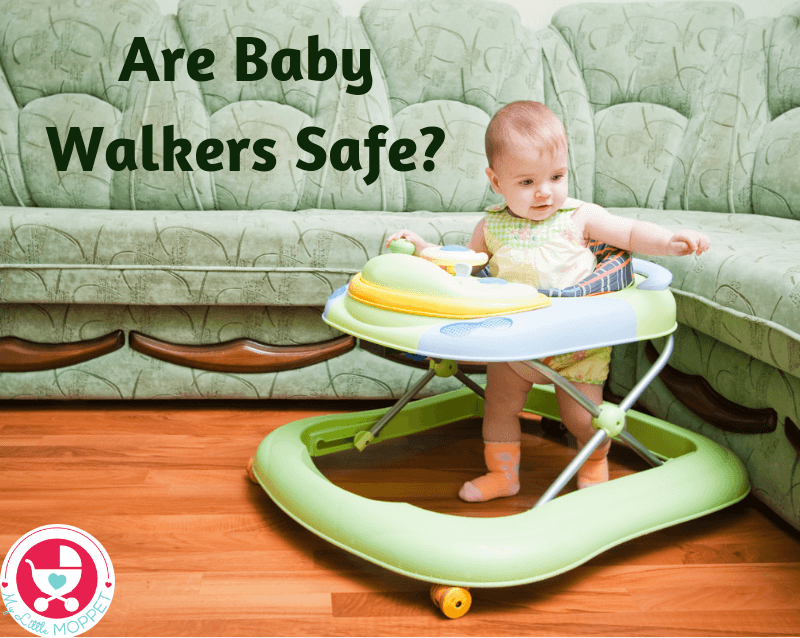
Safety is the biggest issue when parents ask are baby walker good. Common risks include:
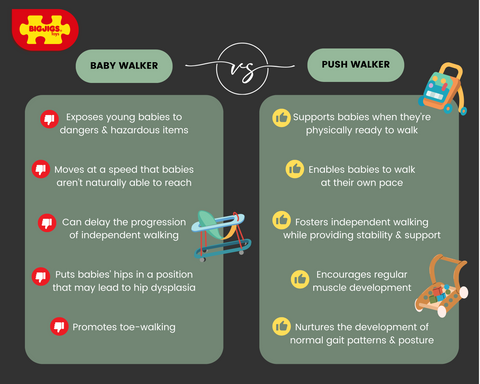
- Falls: Walkers allow rapid movement near stairs and furniture edges, raising fall risk.
- Access to hazards: A mobile baby can reach hot surfaces, cords, and sharp objects.
- Tip-overs: Poor design or uneven floors can cause sudden tipping and injury.
Emergency and pediatric reports show walker-related injuries occur frequently. Because walkers increase speed and reach, they often cause accidents that would not happen when a baby is on the floor.

Developmental impact
Concerns about development are central to the question are baby walker good. Research and clinical observations suggest:
- Altered gait patterns: Walkers can let babies practice walking in nonstandard postures.
- Delayed hands-free balance: Babies may rely on foot support in walkers and delay true balance skills.
- Less tummy time: Time in a walker can reduce floor play that builds strength and coordination.
Floor-based play, supervised crawling, and supported standing help infants learn motor skills naturally. Walkers can change that natural progression.
Safer alternatives
If you wonder are baby walker good compared to other options, consider safer choices for play and mobility:
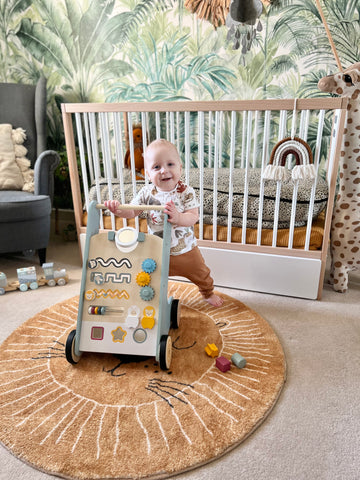
- Push toys and push walkers: Encourage upright walking while allowing control.
- Activity centers without wheels: Offer engagement without mobility risk.
- Play yards and play mats: Provide a safe play area on the floor.
- Supervised floor play and tummy time: Build core strength and balance.
These alternatives help development and keep babies within a safer space.
Practical tips for parents who choose to use walkers
If you still ask are baby walker good and plan to use one, follow strict safety rules:
- Always supervise closely and stay within arm’s reach.
- Use a walker only on flat, obstacle-free floors and away from stairs.
- Limit use to short sessions and balance with floor play.
- Choose a model with wide base and good brakes or friction strips.
- Remove hazards: secure cords, block stairs, and cover hot surfaces.
Even with precautions, consider alternatives first. Supervision and limits reduce risk but do not remove it.
Personal experience and lessons learned
I used a basic walker early with my first child. It was fun for both of us. I noticed the child spent more time in a seated position. I also saw how quickly they could reach dangerous items. I stopped using the walker after a few weeks and shifted to push toys and more floor play.
Lessons I learned include:
- The short convenience is not worth a major safety risk.
- Floor based activities built stronger balance and confidence.
- If you use a walker, supervise every second and limit time.
This hands-on view helped me prioritize safer options as my child grew.

Frequently Asked Questions of are baby walker good
Are baby walker good for helping babies learn to walk?
No. Walkers can let babies move but may teach poor posture and delay natural balance skills. Push toys and supervised walking support are better.
Are baby walker good from a safety standpoint?
Generally no. Walkers increase fall risk and access to hazards. Many safety authorities recommend avoiding wheeled walkers.
How long can a baby safely use a walker if I choose one?
Limit use to very short, supervised sessions and only when the baby can sit without help. Balance these sessions with lots of floor play.
Are activity centers safer than wheeled walkers?
Activity centers without wheels reduce mobility risk but still limit floor time. They are safer for stationary play but do not replace tummy time.
Can a walker cause developmental delays?
Some studies and clinicians link walkers to delayed walking and altered gait. Reduced floor time and different movement patterns are common concerns.
Conclusion
Walkers offer short-term fun and mobility, but they pose real safety and developmental risks. If you are asking are baby walker good, weigh the convenience against the potential for falls and altered motor development. Choose floor play, push toys, and stationary activity centers first. If you use a walker, supervise closely and limit time.
Make a careful choice for your child today. Try safer alternatives, stay informed, and share your experience in the comments to help other parents make safe decisions.


Leave a Reply