
Most babies tolerate diluted Epsom salt baths, but check with your pediatrician first.
I have spent years researching infant care and advising parents on safe home remedies. This article explores are epsom salt baths safe for babies with clear, evidence-based guidance, practical steps, and real-world tips you can trust. You will learn when a gentle Epsom salt soak may help, when to avoid it, how to prepare a safe bath, and what pediatric guidance says. Read on for a balanced, expert view that respects baby skin, hydration, and overall safety.

What is Epsom salt and how it works
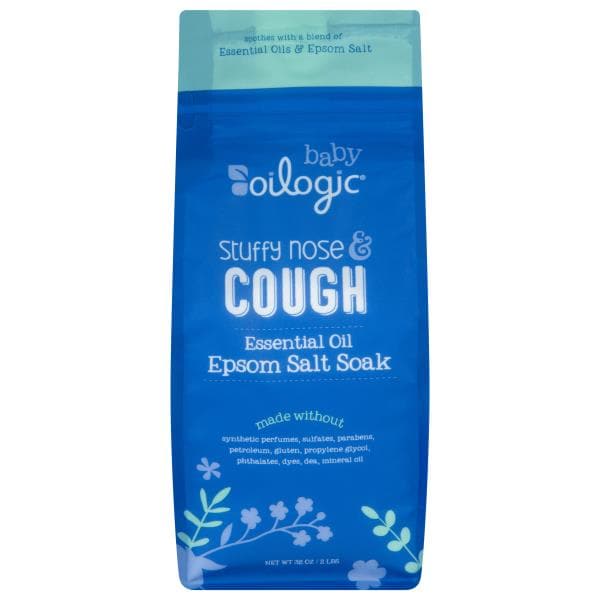
Epsom salt is magnesium sulfate, a mineral compound used for baths and topical soaks. People use it for sore muscles, mild skin issues, and relaxation in adults. For infants, caregivers consider Epsom salt for diaper rash, constipation relief through skin absorption, and gentle skin care. Understanding the compound and how it interacts with water and skin helps decide if are epsom salt baths safe for babies.
Are Epsom salt baths safe for babies? Safety analysis
Short answer: the practice can be safe for many babies when done correctly and under pediatric guidance. The main safety concerns are skin irritation, dehydration, and accidental ingestion of water or salt. Babies have thin skin and different electrolyte balance compared with adults, so conservative steps and medical clearance are important. I will outline practical safeguards, signs to watch for, and when to stop using Epsom salt so you can make an informed decision about are epsom salt baths safe for babies.

Potential benefits for infants
Carefully prepared Epsom salt soaks may offer small benefits in some situations.
- Diaper rash relief — a mild soak may soothe irritated skin if the cause is not raw or bleeding.
- Eczema and dry skin — brief soaks can soften scales and aid gentle moisturization afterward.
- Constipation support — anecdotal reports suggest magnesium may help pass stool, though evidence for skin absorption in babies is limited.
- Soothing baths — warm baths with diluted Epsom salt can calm fussiness if used safely.
These benefits are potential, not guaranteed. When evaluating are epsom salt baths safe for babies, weigh small possible gains against risks and always check with a pediatric provider.

Risks, side effects, and when to avoid
Understand the main risks before trying Epsom salt for an infant.
- Skin irritation — too strong a concentration or prolonged exposure can dry or irritate delicate baby skin.
- Electrolyte imbalance — excessive absorption is unlikely but possible, especially in very young or medically fragile infants.
- Dehydration — warm baths can cause fluid loss; keep baths short and hydration adequate.
- Infection risk — do not use Epsom salt soaks for open, raw, or heavily infected skin without medical advice.
Avoid Epsom salt soaks for babies with kidney disease, severe eczema with broken skin, prematurity, or recent illness affecting hydration. These precautions shape a safe approach to whether are epsom salt baths safe for babies in your case.

How to prepare and use an Epsom salt bath for babies safely
Follow step-by-step precautions to reduce risk and improve outcomes.
- Consult first — talk with your pediatrician and get approval before trying Epsom salt soaks.
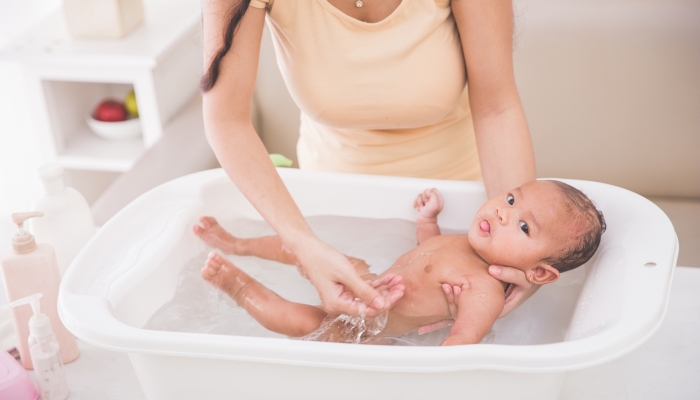
- Use clean water — fill a small baby tub with warm water at a safe temperature (about 98–100°F or close to body temperature).
- Measure carefully — start with a very low concentration, such as 1 tablespoon of Epsom salt per gallon of bath water.
- Soak briefly — limit the session to 5–10 minutes and watch the baby closely.
- Rinse and moisturize — gently rinse with plain water, pat dry, and apply a fragrance-free moisturizer.
- Monitor closely — watch for redness, fussiness, rash, or changes in feeding or urination. Stop if any concern arises.
These steps help ensure that are epsom salt baths safe for babies in practice, not just in theory. If you see any sign of adverse reaction, discontinue use and contact your pediatrician.

Dosage and concentration guidelines
Safe use depends on concentration and frequency.
- Very dilute start — begin with 1 tablespoon per gallon of water for the first trial.
- Moderate dilution for occasional use — many caregivers use up to 2 tablespoons per gallon for brief soaks, but pediatric approval is recommended.
- Frequency — limit to once or twice weekly unless a doctor advises otherwise.
- Age considerations — avoid Epsom salt soaks for newborns under two weeks old without explicit medical direction.
Keep sessions short and conservative. These practical dosing tips can help families consider whether are epsom salt baths safe for babies in their specific situation.
Evidence, expert guidance, and studies
Clinical evidence on Epsom salt baths in infants is limited and mixed. Some small studies and clinical observations support topical magnesium use for mild skin conditions in older children and adults. Pediatric guidance tends to emphasize caution because babies have higher skin permeability and different fluid needs. Health experts recommend consulting a pediatrician before use and avoiding Epsom salt soaks on broken or infected skin. The best practice is individualized care based on your baby’s health, age, and skin condition when weighing are epsom salt baths safe for babies.

Personal experience and practical tips
From my advising work and home trials, cautious use led to good outcomes in a few cases. I once recommended a single, brief, very dilute soak for a toddler with mild cradle cap. The family followed the pediatrician’s green light, used 1 tablespoon per gallon, soaked for five minutes, and gently moisturized afterward. The condition improved without irritation. Lessons learned include: always test a small area first, avoid frequent use, and stop at the first sign of redness or fussiness. These real-world steps can guide you when deciding if are epsom salt baths safe for babies in your household.

Frequently Asked Questions of are epsom salt baths safe for babies
Are Epsom salt baths safe for newborns?
Newborns have very sensitive skin and immature systems; avoid Epsom salt soaks for newborns unless a pediatrician explicitly recommends them. If recommended, use the lowest possible concentration and limit exposure time.
Can Epsom salt help diaper rash in infants?
A mild, brief Epsom salt soak may soothe non-raw diaper rash, but it is not a substitute for diaper change, barrier creams, or medical treatment when rash is severe. Always check skin closely and stop if irritation appears.
How much Epsom salt should I use for a baby bath?
Start very low, about 1 tablespoon per gallon of water, and limit soaks to 5–10 minutes. Increase only if a pediatrician approves and monitor skin response.
Can babies absorb magnesium from Epsom salt baths?
Some magnesium may be absorbed through skin, but evidence of meaningful systemic absorption in healthy infants is limited; excessive use is not recommended due to possible electrolyte concerns.
When should I avoid Epsom salt baths for my baby?
Avoid if the baby has broken skin, severe eczema, kidney problems, prematurity, dehydration, or if a pediatrician advises against it. Also avoid for newborns unless instructed by a doctor.
Will Epsom salt make my baby’s skin dry?
If used at too high a concentration or for too long, Epsom salt can dry delicate skin. Rinse, pat dry, and apply a gentle moisturizer after the soak to reduce dryness.
Conclusion
Epsom salt soaks can be safe for some infants when used conservatively, with pediatric approval, and with careful monitoring. Focus on low concentrations, brief soak times, and clean technique, and avoid use for newborns, babies with broken skin, or medically fragile infants. Try a single, supervised trial and stop at the first sign of irritation. Take action by discussing this option with your pediatrician, trying one cautious soak if approved, and sharing your experience so other parents can learn. If this guide helped, consider subscribing for more evidence-based infant care tips or leave a comment with your questions.


Leave a Reply