
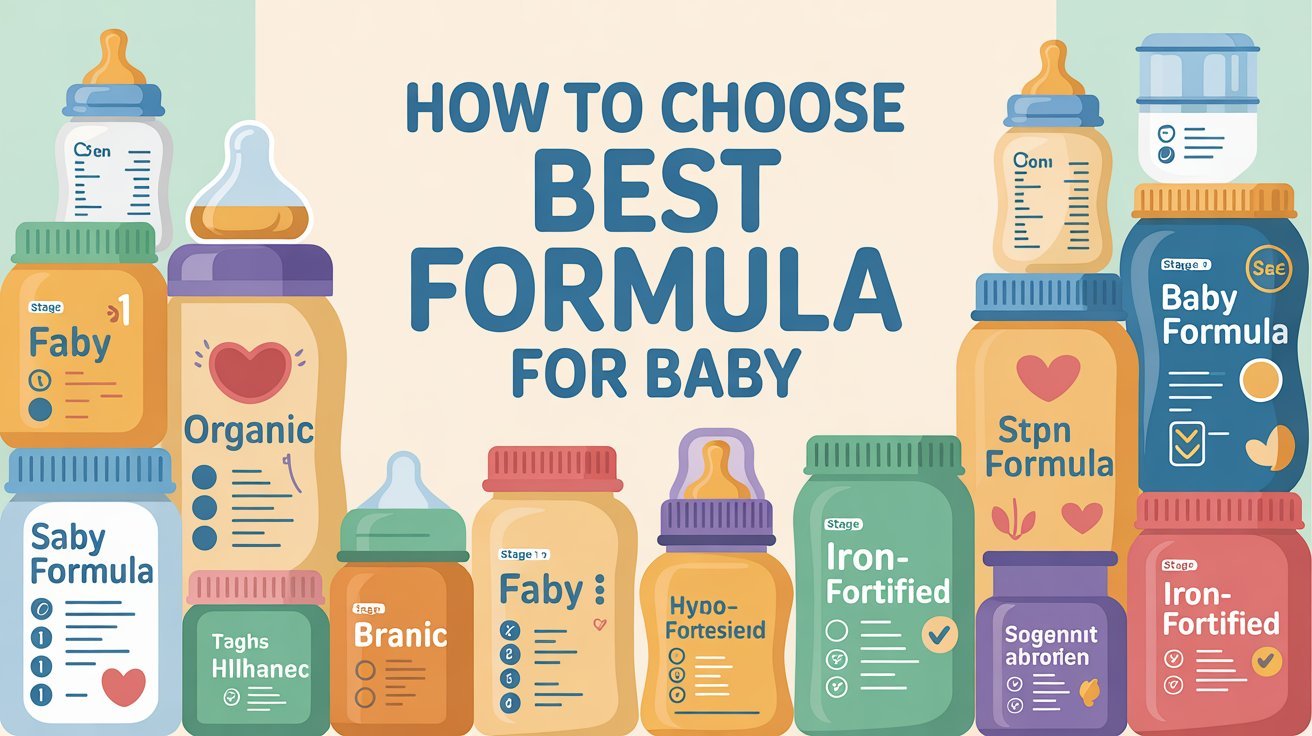
Choose a formula that fits your baby’s age, health needs, tolerance, and pediatrician’s advice.
As a pediatric nutrition writer with years of hands-on experience advising new parents, I will guide you through how to choose best formula for baby with clear, evidence-based steps. This article explains formula types, safety checks, feeding practicalities, special situations like allergies or reflux, and real-world tips I’ve learned from families and clinics. Read on to make a confident, informed choice about how to choose best formula for baby for your child’s health and comfort.

How to choose best formula for baby: understanding formula types
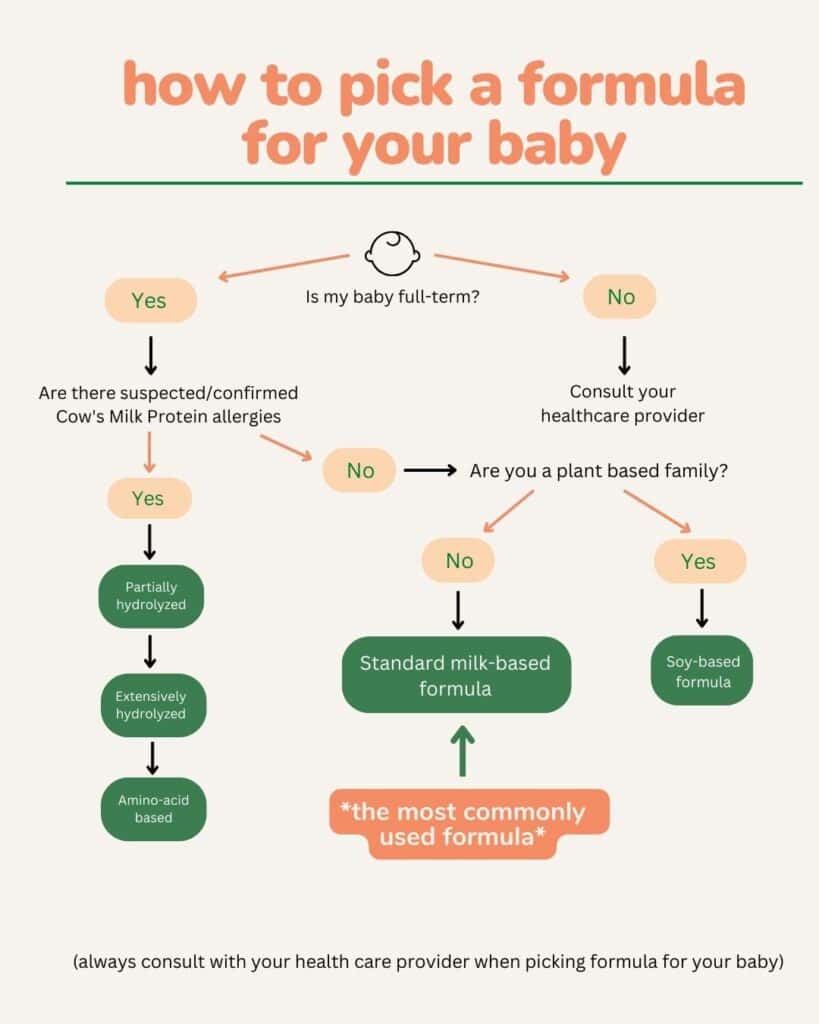
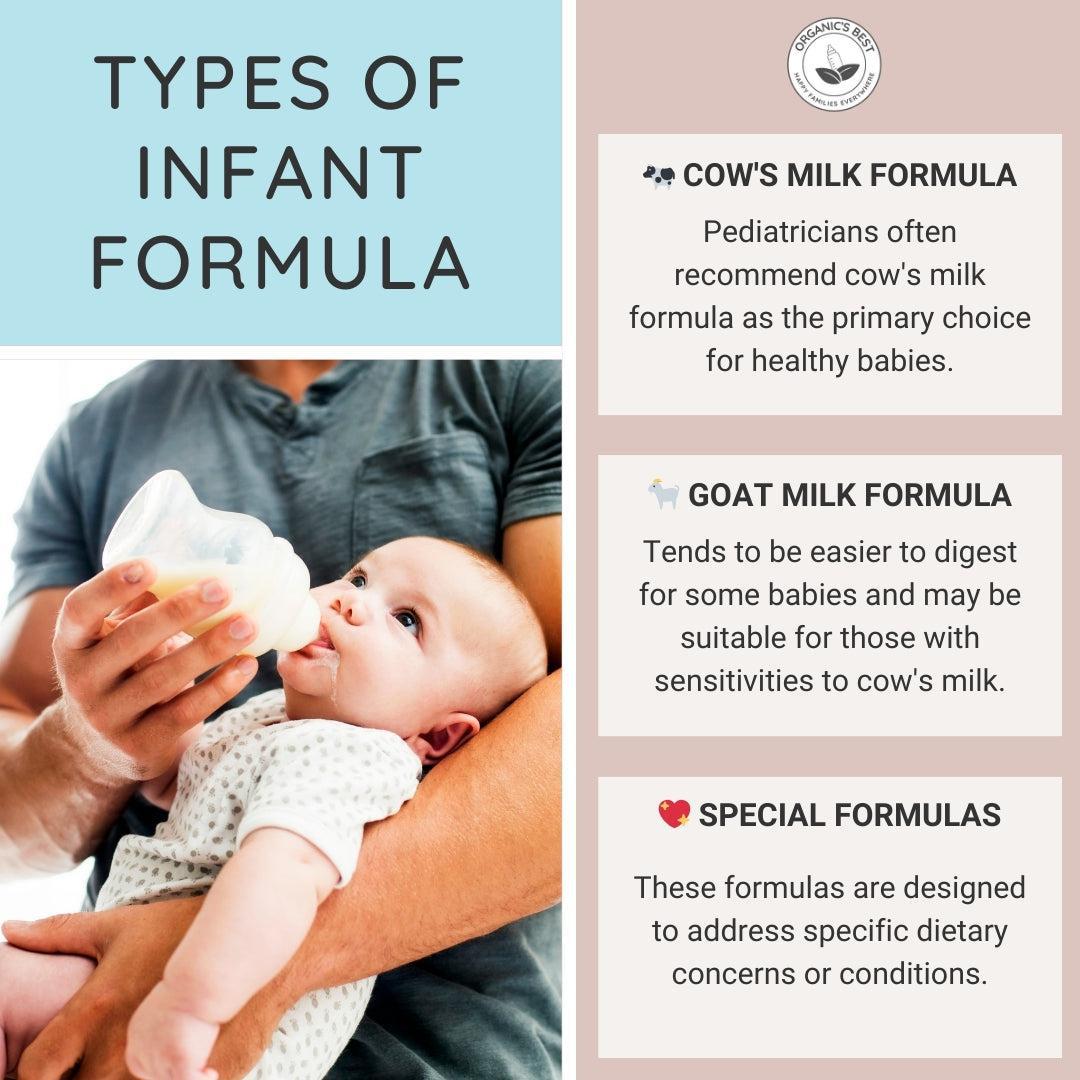
Choosing the right base is the first step when learning how to choose best formula for baby. Most infant formulas fall into clear categories based on their protein source and processing. Cow’s milk–based formulas are the most common and are nutritionally complete for most infants.
- Cow’s milk–based formula: Modified cow milk proteins designed for infants; suitable for most healthy babies.
- Hydrolyzed (partially or extensively): Proteins broken down to reduce allergenicity; used for intolerance or allergy prevention in some cases.
- Soy-based formula: Plant-based option for families who prefer no animal protein or have lactose issues; not ideal for all babies.
- Specialized formulas: Include low-lactose, lactose-free, amino acid–based, or metabolic-specific formulas for medical needs.
When you think about how to choose best formula for baby, match the formula type to your baby’s age, symptoms, and pediatric guidance. Clinical guidance and nutrition experts recommend using age-appropriate formulas labeled for infants under 12 months.
How to choose best formula for baby: key factors to consider
Prioritize safety, nutrition, and your baby’s unique needs when deciding how to choose best formula for baby. Consider these core factors before buying:
- Age and stage: Use newborn formulas for 0–6 months and follow-on formulas only if pediatrician approves.
- Medical history: Note family allergies, eczema, reflux, or prematurity; these affect choice.
- Tolerance and symptoms: Watch for spit-up, diarrhea, constipation, fussiness, or rashes after feeds.
- Nutrient profile: Ensure iron fortification and appropriate levels of DHA/ARA for brain and eye development.
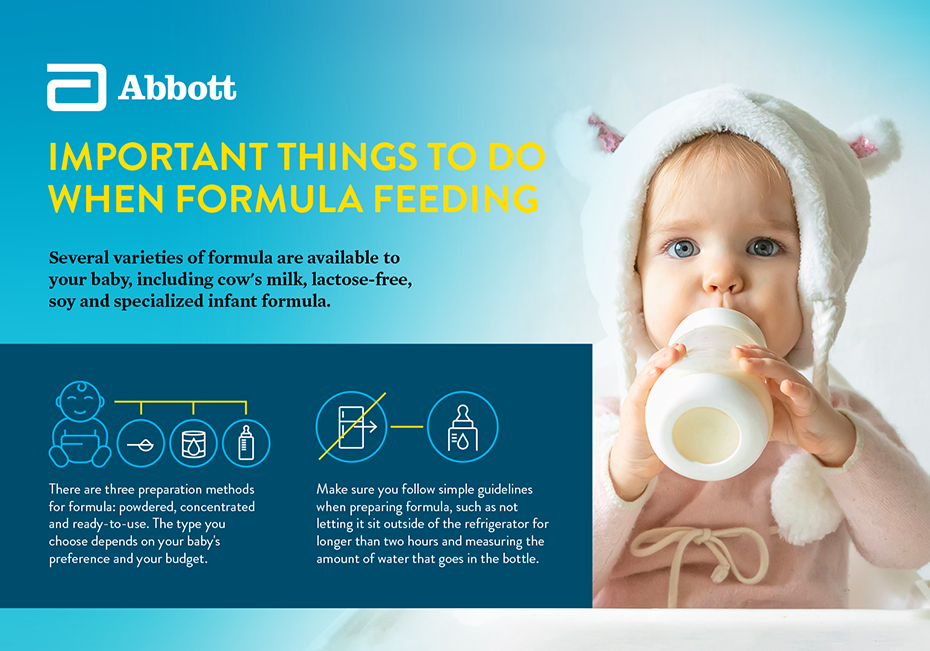
- Preparation and storage: Decide between ready-to-feed, concentrated liquid, or powdered formulas based on convenience and safety.
- Cost and availability: Consider what you can consistently buy; sudden switches can upset digestion.
When evaluating labels, confirm the formula meets regulatory standards and lists vitamins, minerals, and caloric density. Always discuss changes with your pediatrician to align with developmental and medical needs.
How to choose best formula for baby for special circumstances
Special health needs change how to choose best formula for baby. If your baby shows allergies, severe reflux, failure to thrive, or metabolic conditions, specialized formulas may be required.
- Suspected cow’s milk protein allergy: Pediatricians often recommend extensively hydrolyzed or amino acid–based formulas.
- Reflux or GERD: Thickened formulas or specialized formulas may be advised, sometimes alongside positioning and feeding technique changes.
- Premature infants: They often need higher-calorie or fortified formulas tailored to preterm growth needs.
- Lactose intolerance: Lactose-reduced or lactose-free formulas can help, though true congenital lactose intolerance is rare.
Always obtain a medical assessment before moving to a specialized formula. Some issues resolve with simple switches, while others need laboratory tests and dietitian or pediatric specialist input.

How to choose best formula for baby during transitions and troubleshooting
Switching formulas or introducing a new type requires care when you decide how to choose best formula for baby. Small, gradual changes help your baby adjust.
- Gradual mix: Combine increasing proportions of the new formula with the old over 3–7 days to reduce gassiness and fussiness.
- Watch for intolerance: Track stool changes, vomiting, skin reactions, and feeding behavior for several days after a change.
- When to switch back: If symptoms worsen within 48–72 hours, pause the switch and consult your pediatrician.
- Document reactions: Keep a simple log of feeds, symptoms, and diapers to help your clinician diagnose problems.
If a baby has severe symptoms such as blood in the stool, poor weight gain, or persistent dehydration, seek immediate medical care. For milder issues, many families successfully find a formula that suits their child with guided trials.

How to choose best formula for baby: common mistakes and practical tips
Avoid common errors when determining how to choose best formula for baby to save time and stress. Simple habits reduce risk and improve feeding success.
- Mistake: Switching brands frequently without medical reason. Frequent changes can confuse digestion and mask true intolerance.
- Mistake: Relying solely on marketing claims. Look past buzzwords and check the ingredient list and nutrient facts.
- Tip: Start with a small can or single-use ready-to-feed trial before committing to large purchases.
- Tip: Use sterile preparation and follow manufacturer instructions for water type and temperature to prevent contamination.
- Tip: Monitor supply consistency; changing due to shortage is sometimes unavoidable—plan a pediatric consult if forced to switch.
These practical steps minimize feeding disruptions and help parents make a steady, informed decision about formula choice.
My experience selecting formula and lessons learned
From clinic work and advising families, I have guided many parents through how to choose best formula for baby. One newborn had persistent spitting up and fussiness until we tried a partially hydrolyzed option; symptoms eased in days. Another family avoided soy due to family history of food sensitivities and found a different cow’s milk formula worked well.
Key lessons I learned: always consult a pediatrician before major changes; try small trials; and keep a record of reactions. Trust your observations about your baby, and balance them with professional advice.
Frequently Asked Questions of how to choose best formula for baby
How soon can I switch formulas for my baby?
Switching can occur anytime with pediatric approval, but gradual transitions over several days are safest to reduce digestive upset.
Are organic formulas better choices when learning how to choose best formula for baby?
Organic formulas follow specific farming standards but are nutritionally similar to conventional formulas; choose based on availability, cost, and ingredient preferences.
What signs show my baby is not tolerating a formula?
Common signs include persistent vomiting, blood in stool, severe diarrhea, rash, or poor weight gain; contact your pediatrician if you see these.
Is homemade formula safe as an alternative?
Homemade formulas can lack key nutrients and carry contamination risks; health experts do not recommend them for infants under one year.
How important is iron in infant formula?
Iron is essential to prevent iron-deficiency anemia and support brain development; most experts advise using iron-fortified formula unless a doctor recommends otherwise.
When should I consider a hypoallergenic formula?
Consider hypoallergenic options with repeated allergic symptoms like eczema, blood-streaked stools, or immediate hives after feeding—always under medical guidance.
Conclusion
Choosing the right formula is a careful blend of science, observation, and clinical guidance. Focus on your baby’s age, health status, tolerance, and nutrient needs to decide how to choose best formula for baby. Use small trials, keep a symptom log, and consult your pediatrician for tailored advice. Make an informed choice today, monitor your baby closely, and reach out to a clinician if you have concerns. If this guide helped, subscribe for more practical feeding tips or leave a question below to discuss your situation.




Leave a Reply