
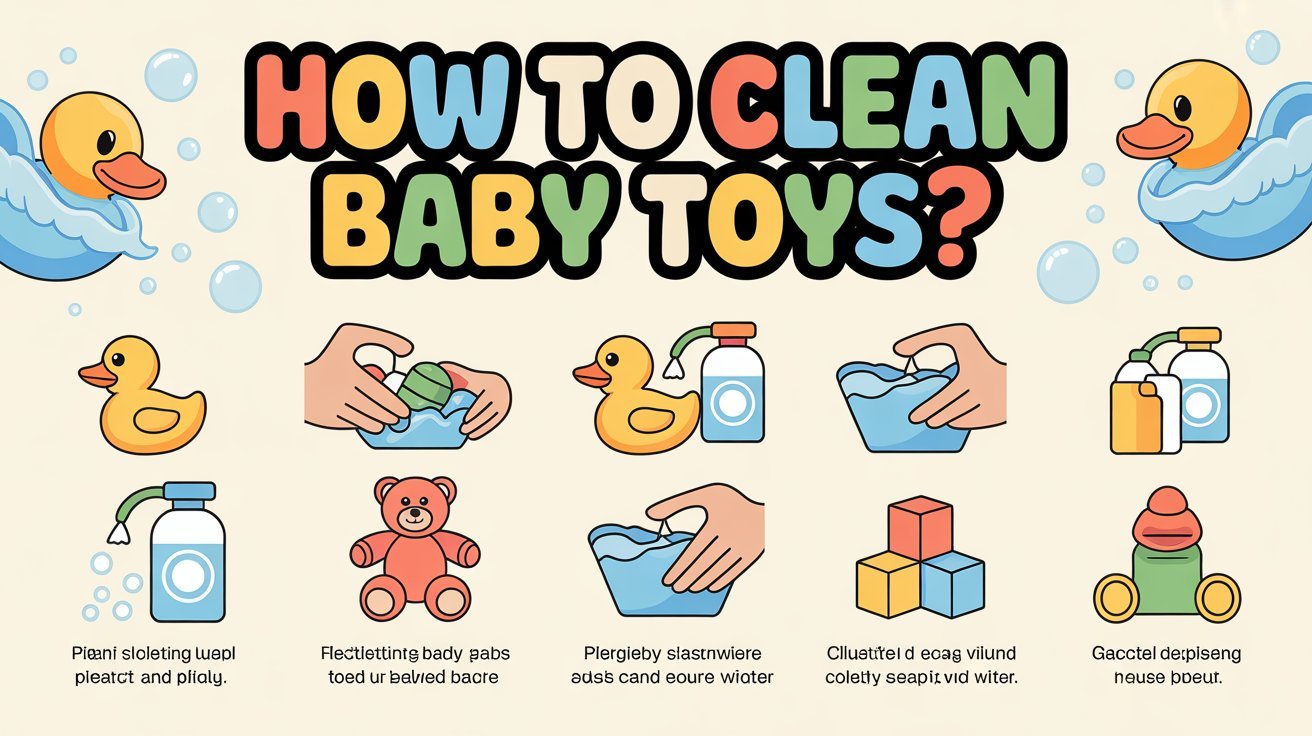
Wipe nonporous toys daily and deep-clean plastic toys weekly using soap, water, or dishwasher. Learn simple ways on How To Clean Baby Toys safely. Keep your baby’s playtime fun and germs-free with easy steps anyone can follow. As an experienced child-safety consultant and parent, I will walk you through clear, safe steps on how to clean baby toys.
This guide explains methods for plastic, fabric, wood, and electronic toys, covers safe products and schedules, and offers hands-on tips I learned working with families and daycare programs. Read on to master practical routines that keep playtime healthy and worry-free.

Why cleaning baby toys matters
Keeping toys clean lowers the risk of infections and prevents mold and buildup. Learning how to clean baby toys helps you choose the right method for each material. Clean toys protect babies who put items in their mouths and protect others in the home. Regular care also extends toy life and saves money over time.
How often to clean baby toys
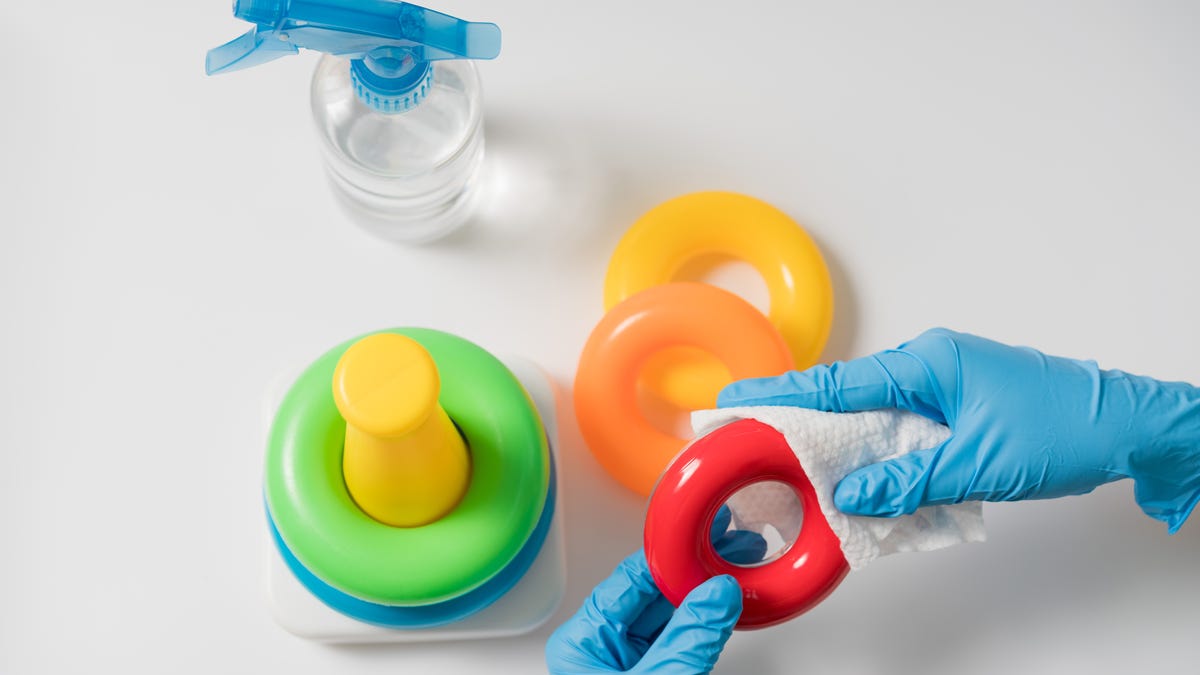
Frequency depends on toy type, use, and age of the child. As a rule, know how to clean baby toys daily, weekly, and after illness. Daily quick wipes work for teethers and items that touch the mouth. Deep cleaning or sanitizing should happen weekly for shared toys or more often during cold seasons.
Step-by-step methods for how to clean baby toys
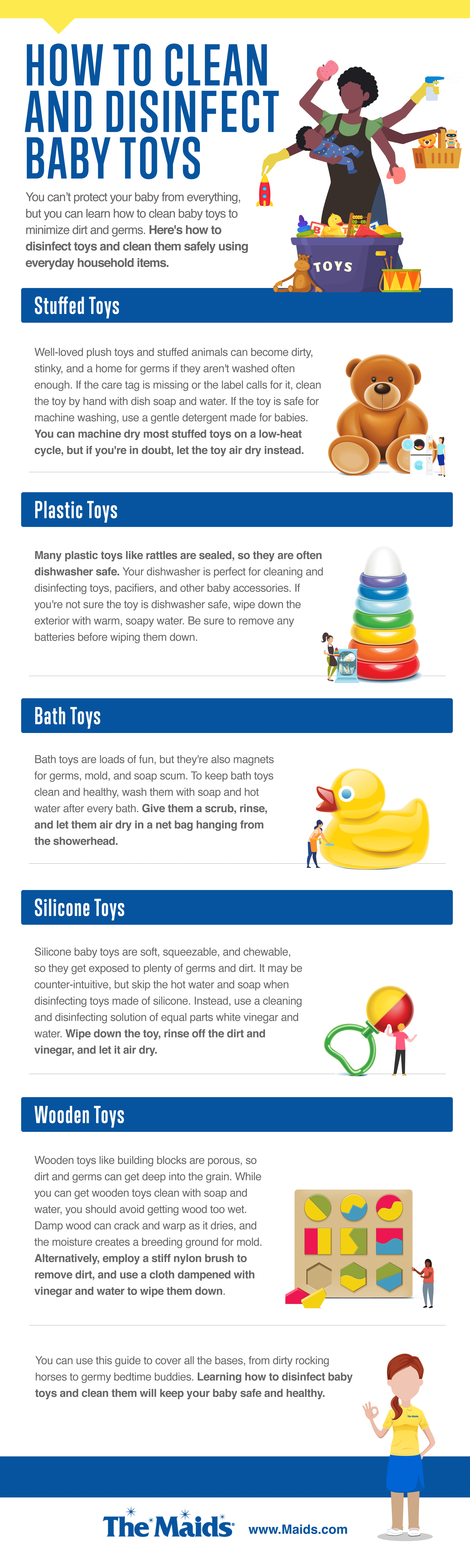
Follow the right steps based on the toy material. Below are clear methods for plastic, fabric, wood, and electronic toys.
Plastic and silicone toys
To learn how to clean baby toys made of plastic, start by rinsing off visible dirt. Then wash with warm water and a mild dish soap, using a soft brush for crevices. Rinse well and either air dry or place on a clean towel. For dishwasher-safe items, run them on the top rack using a regular cycle.
Fabric and plush toys
For fabric toys, the best way to clean baby toys is machine washing when the care label allows. Use a gentle cycle and mild detergent, then air dry or tumble dry on low. For toys that cannot be machine washed, spot-clean with soap and water, then rinse and dry thoroughly. Placing small plush toys in a mesh laundry bag protects them in the washer.
Wooden toys
Wood needs gentle care; here’s how to clean baby toys made of wood. Wipe wood with a damp cloth and mild soap, then rinse with a clean damp cloth. Avoid soaking wood or using harsh chemicals. After drying, condition the wood with a thin coat of food-grade oil if the finish looks dry.
Electronic and battery-powered toys
Electronics require careful methods when you clean baby toys with batteries or lights. Remove batteries first and wipe the surface with a cloth dampened in soapy water or in a diluted disinfectant. Avoid submerging. Let the toy dry completely before reinserting batteries.
Safe cleaning products and household solutions
Choose non-toxic options that remove germs and do not leave harmful residue. This list helps you decide how to clean baby toys safely.
- Soap and warm water — Safe for nearly all toys and effective at removing dirt.
- White vinegar solution (1 part vinegar to 3 parts water) — Mild disinfectant for nonporous toys.
- Diluted bleach (1 tablespoon bleach per 1 quart water) — Use for hard plastic and sanitize after illness. Rinse well after use.
- Baby-safe disinfectant wipes — Convenient for quick cleaning of surfaces and high-touch items.
- Dishwasher — Use for dishwasher-safe plastics and silicone on the top rack or gentle cycle.
Always rinse toys after cleaning with chemicals and follow label instructions for any commercial disinfectant. When in doubt, choose the gentlest effective method.
Drying, storage, and maintenance to keep toys safe
Proper drying prevents mold and bacterial regrowth. Air dry toys fully on a clean towel or drying rack. For stuffed toys, squeeze excess water and dry in a warm, ventilated place. Store toys in a dry bin or open basket to avoid trapped moisture. Rotate toys to reduce wear and to make cleaning manageable.

Tips from experience: practical advice and mistakes to avoid
I have cleaned hundreds of toys for families and daycare centers. From hands-on work, I know how to clean baby toys quickly and with low fuss. Key lessons include limiting chemical use, labeling toy bins by cleaning day, and checking toys for cracks. Common mistakes are soaking wood, skipping rinses after disinfecting, and delaying replacement of damaged toys.

When to replace toys
Even clean toys wear out over time. If a toy has deep cracks, broken parts, or persistent mold, cleaning is not enough. If you wonder whether cleaning is enough, learn how to clean baby toys until replacement is needed for safety reasons. When in doubt, replace toys that could pose a choking or hygiene risk.

Frequently Asked Questions of how to clean baby toys
How do I sanitize plastic teethers safely?
Wash with warm soapy water and rinse. For extra sanitizing, boil silicone teethers if the maker allows, or run them on the dishwasher top rack.
Can I use bleach on baby toys?
Yes, use a diluted bleach solution (1 tablespoon per quart of water) for hard, nonporous toys. Rinse thoroughly and air dry before use.
How do I clean stuffed animals without damaging them?
Check the care label. If machine-washable, use a gentle cycle in a mesh bag. For delicate toys, spot clean and air dry fully.
Are natural cleaners like vinegar effective?
Vinegar is a mild antimicrobial and works on many nonporous toys. It is less harsh than bleach but not a full disinfectant for some viruses.
Can dishwashers clean all baby toys?
No. Dishwashers are safe for many plastic and silicone toys. Avoid putting wooden toys, toys with electronics, or unlabeled items in the dishwasher.
Conclusion
Regular care keeps toys safe, lasts longer, and reduces stress for parents. Use the right method for each material and set a simple routine to wipe, wash, or sanitize as needed. Start today by picking one toy bin and practicing these steps this week—small habits add up to big health gains. Share your cleaning wins or questions below, subscribe for more tips, or try a deep clean this weekend to see the difference.


Leave a Reply