
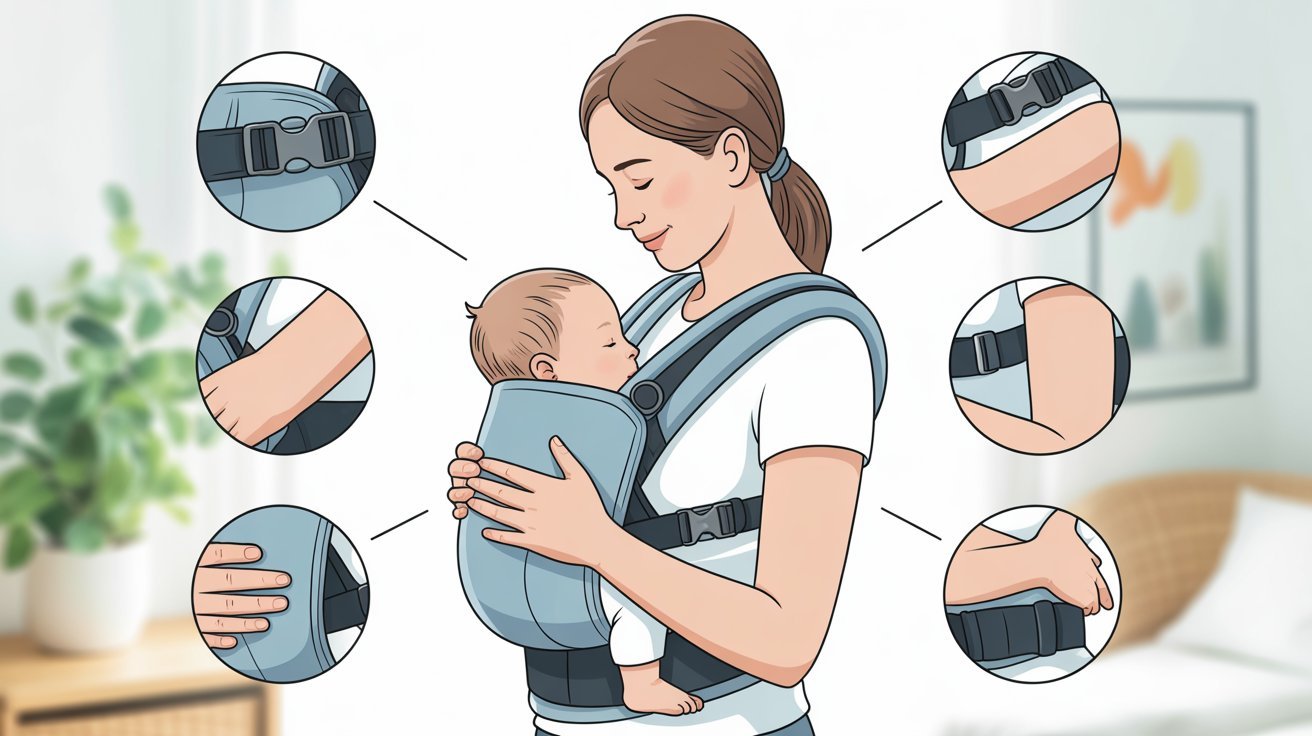
introduction
Learn how to use baby carrier for newborn safely. Easy steps and tips for comfort. Perfect guide for new parents and first-time carriers. Quick answer: To learn how to use baby carrier for newborn, choose a supportive carrier, position the baby upright, keep the airway clear, and support the hips and neck. This article explains how to use baby carrier for newborn in clear, practical steps for parents in the USA. Follow pediatric guidance and use pounds and inches as measures when checking weight and fit.
Types of baby carriers and proper fit
Carriers include wraps, ring slings, soft-structured carriers, and mei tais. Each style fits newborns differently. Choose a carrier rated for newborn weight (typically 7 to 12 lbs and up). Learn how to use baby carrier for newborn by testing fit at home. A good fit keeps your baby close, supported, and comfortable.
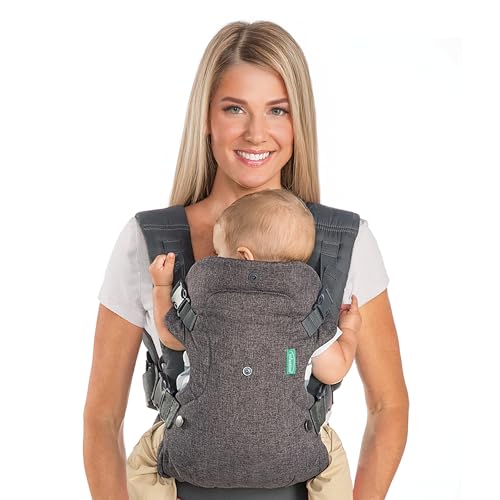
Benefits and safety checklist
Babywearing supports bonding and makes daily tasks easier. Parents in the USA find carriers helpful for walks, errands, and soothing fussy newborns. Use this safety checklist before each use.
Benefits
- Hands-free convenience for daily tasks.
- Improved bonding and easier breastfeeding on the go.
- Helps calm fussy newborns through closeness and warmth.
- Portable and often airline-friendly for U.S. travel.
Safety checklist
- Check carrier weight limits and infant insert requirements.
- Ensure baby’s chin is off the chest and airway is clear.
- Maintain an upright position so the head stays supported.
- Keep knees at or above hip level for healthy hip positioning.
- Inspect straps, buckles, and seams before each use.

Step-by-step: How to use baby carrier for newborn
Follow these five steps each time you put your newborn in a carrier. Practice at home before heading out. If possible, have another adult nearby when you try this for the first time.
Choose and inspect your carrier
Read the manual. Confirm the carrier is appropriate for newborn weight. Check seams, buckles, and straps. This step is vital to how to use baby carrier for newborn safely.
Position the carrier on your body
For soft-structured carriers, fasten waist belt snugly at your hips. For wraps, center the fabric and cross straps securely. Proper placement sets the foundation for how to use baby carrier for newborn without strain.
Place the newborn and secure support
Lift baby into the carrier in an upright position. Make sure the baby’s chin is off the chest by keeping the head close enough to kiss. Support the neck and keep fabric tight. This step shows how to use baby carrier for newborn while protecting the airway.
Adjust for comfort and hip support
Tighten shoulder straps and adjust the seat so knees are higher than the bottom in an M-shape. Keep the baby close and centered. Adjustments are core to how to use baby carrier for newborn to protect hip development.
Do a safety check and practice movement
Check the baby’s airway, hip position, and strap tension. Bend at the knees when lifting or standing. Practice walking slowly and sitting down. Repeat these checks to master how to use baby carrier for newborn in everyday life.

Dos and Don’ts
Simple rules help you use a carrier confidently. Keep short checks as part of your routine.
Dos
- Do read the manufacturer instructions before first use.
- Do keep baby’s face visible and chin away from chest.
- Do use an infant insert if the carrier requires one.
- Do practice how to use baby carrier for newborn at home first.
Don’ts
- Don’t slump the baby inward so the airway is compromised.
- Don’t use loose fabric or untied wraps with newborns without securing properly.
- Don’t carry newborns in back carries until they have good head control.
- Don’t ignore signs of overheating; dress baby in layers for US weather.
FAQs and resources
Answers to common questions and links to trusted guidance. Consult your pediatrician with specific concerns.
You can use a carrier from birth if the carrier supports newborn size or uses an infant insert. Follow instructions and practice positioning to learn how to use baby carrier for newborn safely.
Short sessions of 30 to 60 minutes are best at first. Watch for signs of discomfort and remove the baby if they seem unsettled. Use these limits while learning how to use baby carrier for newborn.
Do not sleep while doing active tasks with a baby in the carrier. If you plan to nap, transfer the baby to a safe sleep surface. Prioritize monitoring and follow advice on how to use baby carrier for newborn to avoid airway risks.
Trusted sources include the American Academy of Pediatrics and certified babywearing educators. Local hospitals and postpartum groups often offer carrier classes that show how to use baby carrier for newborn hands-on.
conclusion
Using a carrier can make newborn life easier. Practice the steps above. Check safety each time. If unsure, ask a certified babywearing educator or your pediatrician. Mastering how to use baby carrier for newborn improves comfort, safety, and bonding.


Leave a Reply