
Clean toys by washing with soap and hot water or using safe disinfectants regularly. Need clear advice on How To Sanitize Baby Toys? Find quick cleaning methods for plastic, soft, and bath items. Protect your child with safe daily care tips.
I have advised parents, daycare managers, and pediatric staff for over a decade on toy hygiene. This guide explains how to sanitize baby toys step by step, tailored to the toy type, frequency, and safe products. Read on to learn practical routines, proven methods, and mistakes to avoid so you can keep play safe and worry-free.

Why sanitize baby toys?
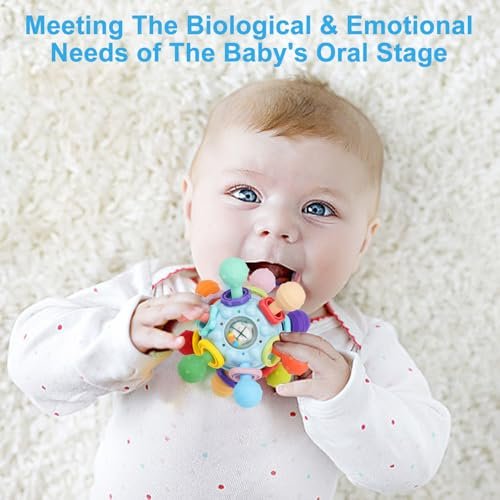
Toys pick up germs from hands, mouths, floors, and other children. Babies explore by touching and mouthing objects, so toys become a common route for infections. Regular sanitation reduces bacteria, viruses, and allergen build-up. It also helps items last longer and keeps skin and gut health steady for infants. Understanding how to sanitize baby toys helps prevent common illnesses like colds, stomach bugs, and skin rashes.

When and how often to sanitize baby toys
Frequency depends on use, age, and health risks.
- High-contact items used daily should be cleaned daily.
- Items mouthed frequently need cleaning after each play session when possible.
- Shared or daycare toys require daily or multiple-times-per-day sanitation.
- After illness, sanitize all toys thoroughly and more often for two weeks.
If a baby is immunocompromised or has a chronic condition, consult a pediatrician and increase cleaning frequency. The goal is balance: sanitize enough to reduce risk without creating excessive work.

Cleaning methods by material
Different materials need different approaches. Know the toy material before cleaning.
Plastic and silicone toys
- Wash in warm, soapy water and rinse well.
- Many can go in the top rack of the dishwasher for hot-water cleaning.
- For disinfection, use a dilute bleach solution (1 tablespoon bleach per gallon of water) or a 3% hydrogen peroxide spray; rinse thoroughly.
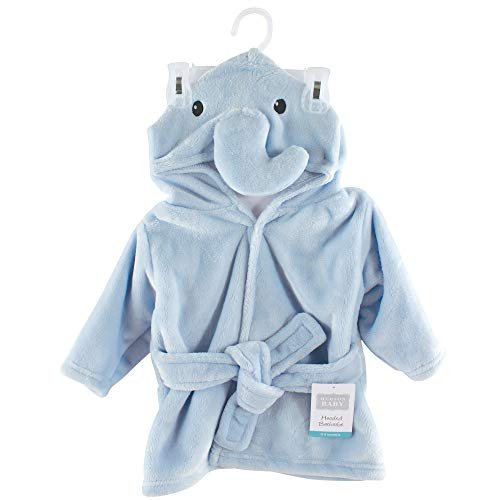
Fabric and plush toys
- Check the care label.
- Machine-washable toys can be laundered on hot with baby-safe detergent and dried on high heat.
- For non-washable plush, surface-clean with soap and water, then air dry or use a steam cleaner.
Wooden toys
- Wipe with a cloth, warm water, and mild soap.
- Avoid soaking and harsh chemicals that strip finish.
- Sanitize with a vinegar-water rinse (1 part white vinegar to 10 parts water), wipe, and dry quickly to prevent warping.
Electronic and battery-operated toys
- Wipe surfaces with a damp cloth and mild soap.
- Use disinfectant wipes that are safe for electronics or a cloth dampened with isopropyl alcohol 70% for external surfaces.
- Do not submerge or allow liquid near battery compartments.
Choose the method that fits the item. Knowing how to sanitize baby toys by material prevents damage and maintains safety.
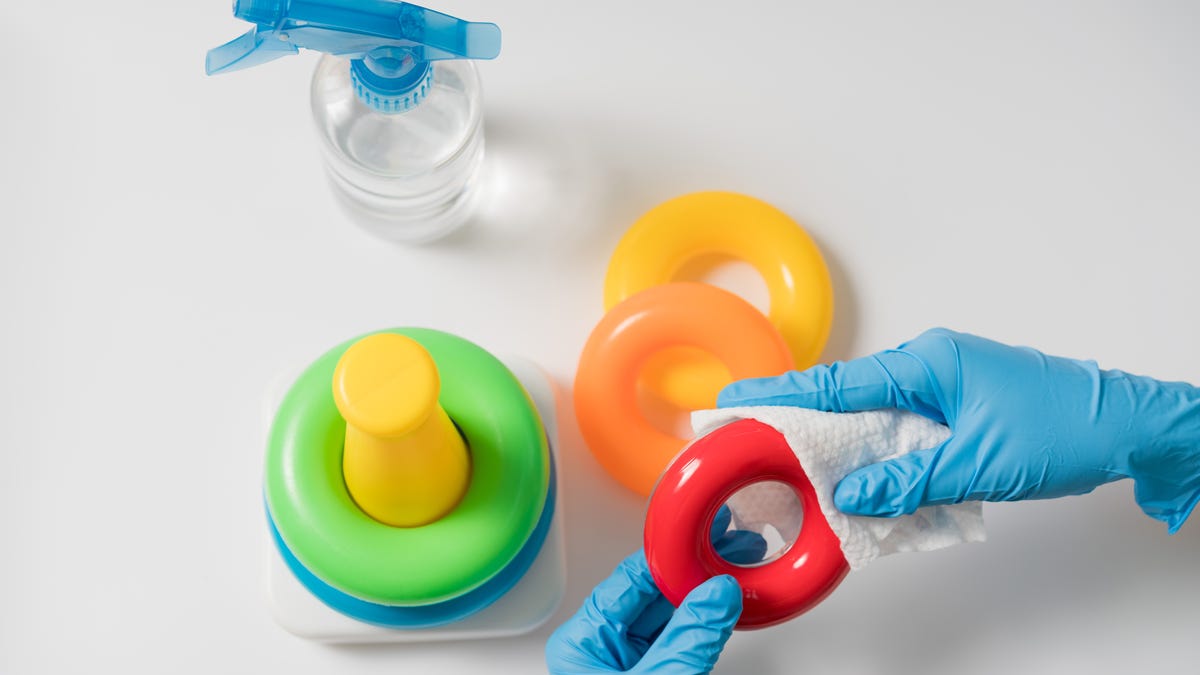
Step-by-step routines: daily, weekly, and deep clean
Consistent routines make sanitizing doable.
Daily quick clean
- Gather mouthed toys and wipe with soap and water.
- Rinse and air dry or towel dry.
- Put clean toys in a designated bin.
Weekly clean
- Machine wash plastic, silicone, and washable fabric toys.
- Hand-clean wood and delicate items with soap and a damp cloth.
- Disinfect shared toys with safe solutions and let them dry fully.
Deep clean (monthly or after illness)
- Soak non-electronic plastic toys in hot, soapy water for 10–20 minutes, then rinse.
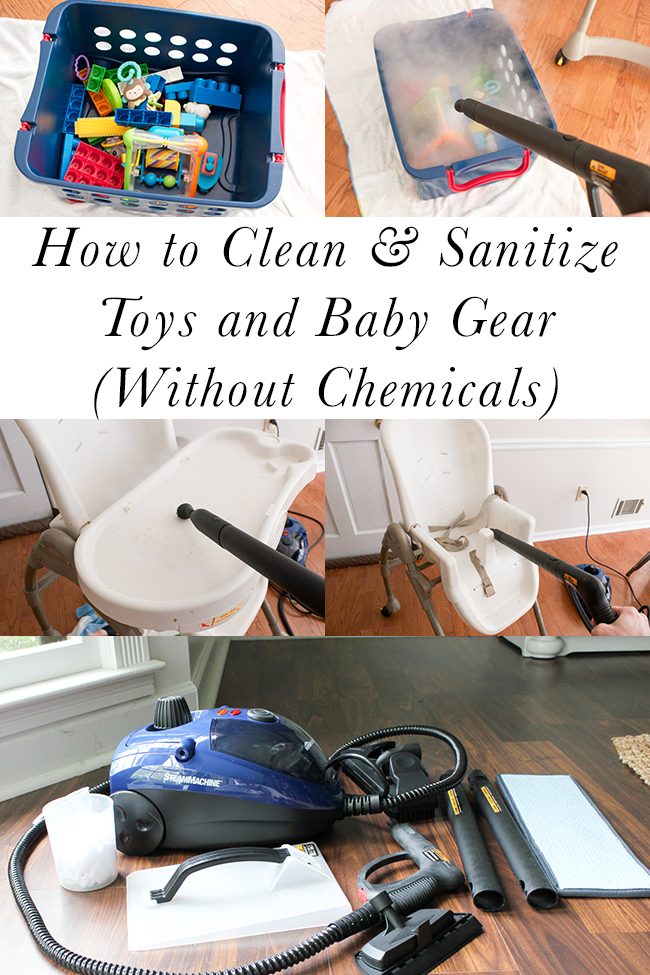
- Use a dilute bleach solution or steam to disinfect when needed.
- Launder all fabric toys and vacuum or steam-clean plush if label allows.
A clear schedule keeps play safe without extra stress.
Safe disinfectants and methods
Pick safe, effective options that leave no harmful residue.
- Warm soapy water: Safe, removes dirt and many microbes.
- Dishwasher: Uses high heat and detergent; great for dishwasher-safe plastics.
- Boiling: Boil small, heat-safe items for 5 minutes to disinfect.
- Dilute bleach solution: Use 1 tablespoon household bleach per gallon of water; soak 5 minutes, rinse well.
- Isopropyl alcohol 70%: Effective on hard surfaces; wipe and let dry.
- Steam cleaning: Kills microbes without chemicals; suitable for many fabrics and plastics.
- UV-C devices: Useful for some small items but vary in effectiveness and require correct exposure.
Avoid concentrated chemicals, undiluted bleach, or products not rated for toys. Always rinse toys that contact a baby’s mouth.
Storage, maintenance, and toy rotation
Smart storage reduces dirt and makes cleaning easier.
- Store clean toys in a closed bin or labeled baskets.
- Rotate toys weekly—fewer items out means easier daily cleaning.
- Inspect toys for cracks, loose parts, or mold; discard damaged items.
- Dry toys fully before storing to prevent mold growth.
Good habits reduce the need for intense cleaning and keep toys safe between uses.
Common mistakes and troubleshooting
Avoid these frequent errors.
- Using harsh cleaners that leave residues: Always rinse well.
- Submerging electronics: This damages items and creates hazards.
- Neglecting small crevices: Use brushes to reach seams and holes.
- Over-cleaning delicate wood: Excess water warps wood.
- Waiting too long after illness to deep clean: Clean immediately and regularly for two weeks.
If mold appears, discard porous items. For stubborn stains, replace if cleaning won’t restore safety.
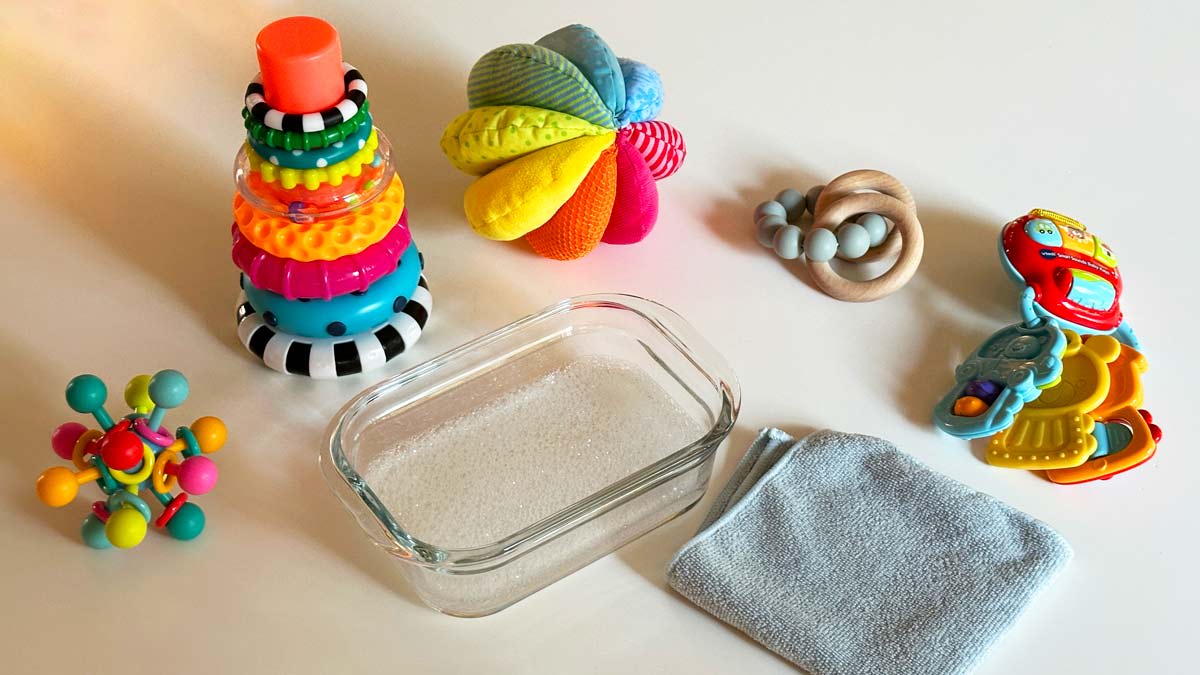
Source: consumerreports.org
Personal experience and practical tips
I have cleaned toys for nurseries and families. Here are lessons I learned.
- Set a simple rule: mouthed toys go into a “to wash” bin immediately. This cut my cleaning time in half.
- Use baskets to separate toy types; it speeds up machine loads.
- Test any disinfectant on a small area first to check finish and colorfastness.
- When a child was ill, I replaced plush toys and deep-cleaned plastic; it reduced repeat infections in the group.
- Keep a small kit: mild soap, soft brush, cloths, and a travel spray bottle of diluted solution.
These tips come from repeated practice and feedback from parents and childcare professionals.
Related concepts and why this matters
Toy sanitation links to handwashing, surface cleaning, and vaccine protection. Clean toys reduce exposure and give caregivers one more layer of defense. Research shows proper cleaning lowers common infection rates in groups. While no method is perfect, consistent, material-appropriate care improves infant health and comfort.
Frequently Asked Questions of how to sanitize baby toys
How often should I sanitize toys my baby mouths?
Sanitize mouthed toys daily or after each use if possible. Increase frequency during illness or when multiple children use the toys.
Can I put all plastic toys in the dishwasher?
Many plastic toys are dishwasher-safe on the top rack, but check labels. Avoid placing fragile or painted toys in the dishwasher as heat can damage them.
Is vinegar a safe disinfectant for baby toys?
Vinegar is good for cleaning and reducing some bacteria on non-porous surfaces. It is not a broad-spectrum disinfectant for viruses; use approved disinfectants after illness.
How do I sanitize wooden teethers without damaging them?
Wipe wooden teethers with a damp cloth and mild soap, rinse quickly, and dry promptly. Avoid soaking and prefer vinegar-water when light sanitizing is needed.
Are UV sanitizers effective for baby toys?
UV sanitizers can help for small, nonporous items when used correctly. Effectiveness depends on exposure time and device quality; follow instructions closely.
Can I use bleach on baby toys?
Dilute household bleach (1 tablespoon per gallon) can disinfect nonporous toys; soak briefly and rinse thoroughly. Do not use on fabrics or unfinished wood without guidance.
Conclusion
Keeping toys clean protects babies from many common germs and makes playtime safer. Use material-appropriate cleaning, set simple routines, and replace damaged items. Start small: create a “to wash” bin, set a weekly deep-clean, and use safe disinfectants when needed. Try the steps above for two weeks and note the difference in illness and stress levels. Share your experience, subscribe for more child-safety tips, or leave a comment with questions you want covered next.

Leave a Reply