
Clean baby toys safely with mild soap, water, and occasional disinfecting using safe, diluted solutions. How To Clean Baby Toys Safely with easy home steps. Learn simple washing tips, safe drying, and smart care ideas to keep your child’s play items fresh and clean.
I have spent years advising parents and testing cleaning routines, so this guide on how to clean baby toys safely draws on hands-on experience, public health guidance, and practical household tips. You will get clear, step-by-step instructions for common toy types, safe cleaning agents, a simple schedule you can follow, warnings about what to avoid, and real-life lessons from my experience. Read on to learn how to clean baby toys safely in ways that protect your child’s health and keep toys in good condition.
Why cleaning baby toys safely matters
Keeping toys clean prevents infections, reduces the spread of germs, and helps children explore safely. Babies put toys in their mouths and touch surfaces often, so regular cleaning lowers the risk of respiratory and gastrointestinal infections. Cleaning also preserves toy materials, prevents mold growth, and helps caregivers detect damage or small parts that pose choking hazards. Practicing how to clean baby toys safely supports healthy development and peace of mind for parents and caregivers.

Types of toys and recommended cleaning methods
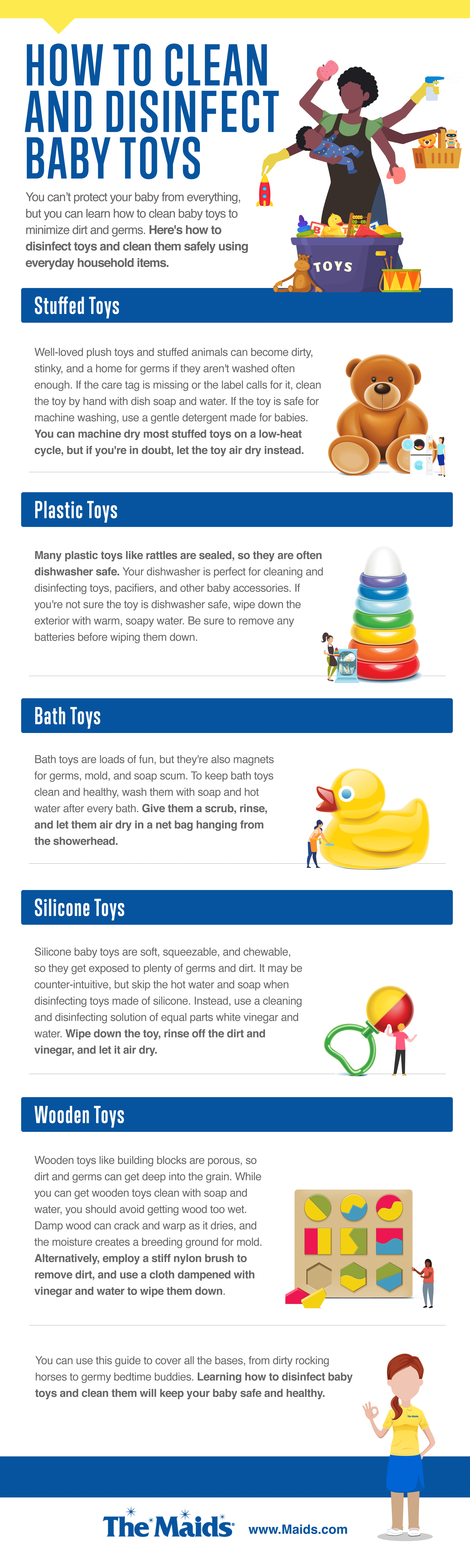
Different materials need different care. Knowing how to clean baby toys safely by type helps avoid damage and ensures effective germ control.
- Hard plastic and silicone toys
- Clean with warm water and dish soap. Rinse thoroughly and air-dry.
- For disinfection, use a safe diluted bleach solution or run on the top rack of the dishwasher if manufacturer allows.
- Soft plush toys
- Machine-wash when the label allows, using a gentle cycle and mild detergent.
- For toys with electronics or fragile fillings, surface-clean with a damp cloth and mild soap.
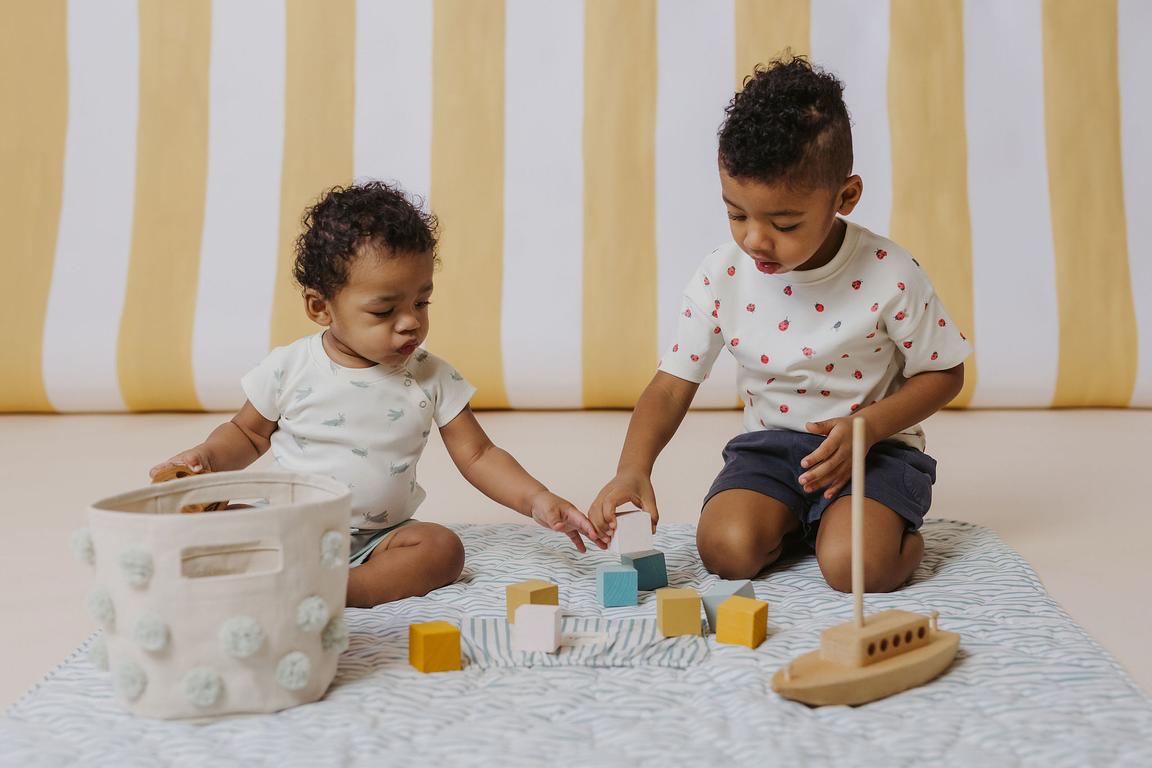
- Wooden toys
- Wipe with a damp cloth and mild soap. Avoid soaking or harsh chemicals that can damage wood.
- Lightly oil unfinished wood with food-grade oil to preserve finish.
- Electronic and battery-operated toys
- Remove batteries before cleaning. Surface-clean with a damp cloth and mild soap; avoid submerging.
- Dry fully before reassembling batteries.
- Bath toys and teethers
- Rinse and scrub after use, then dry completely to prevent mold.
- Boil small silicone teethers or use steam sterilizers where appropriate.
- Toys with fabric and plastic combinations
- Follow the most delicate care instructions for the component that cannot be submerged or machine-washed.
Knowing how to clean baby toys safely means matching the method to the material and always checking labels for manufacturer guidance.

Step-by-step cleaning protocols: daily, weekly, and deep clean
A simple routine makes how to clean baby toys safely manageable.
- Daily quick clean
- Rinse high-contact toys in warm soapy water or wipe with a damp cloth.
- Dry toys completely before returning them to the play area.
- Weekly clean
- Machine-wash washable toys, run dishwasher-safe items on the top rack, and sanitize nonporous toys.
- Inspect toys for damage and remove toys showing wear that could be hazardous.
- Monthly deep clean or after illness
– Disinfect nonporous toys using a safe diluted solution. Soak for the recommended time, rinse well, and air-dry.
- Wash or replace items that cannot be sanitized properly, such as heavily soiled plush toys or toys with mold.
Practical how-to steps for disinfecting nonporous toys
- Prepare a diluted bleach solution for nonporous toys following public health guidance for proper dilution.
- Submerge or wipe toys, leave contact time as recommended, rinse thoroughly with clean water, and air-dry fully.
- Alternative disinfectants include 3% hydrogen peroxide or EPA-registered disinfectant wipes labeled safe for children’s items; always follow product directions.
Following this tiered schedule makes learning how to clean baby toys safely simple and effective for everyday life.
Safe cleaning agents and what to avoid
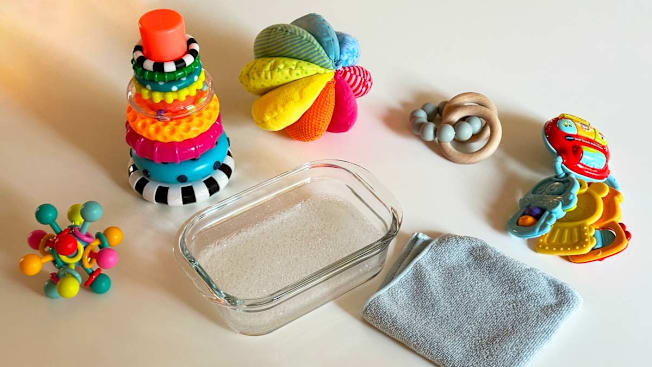
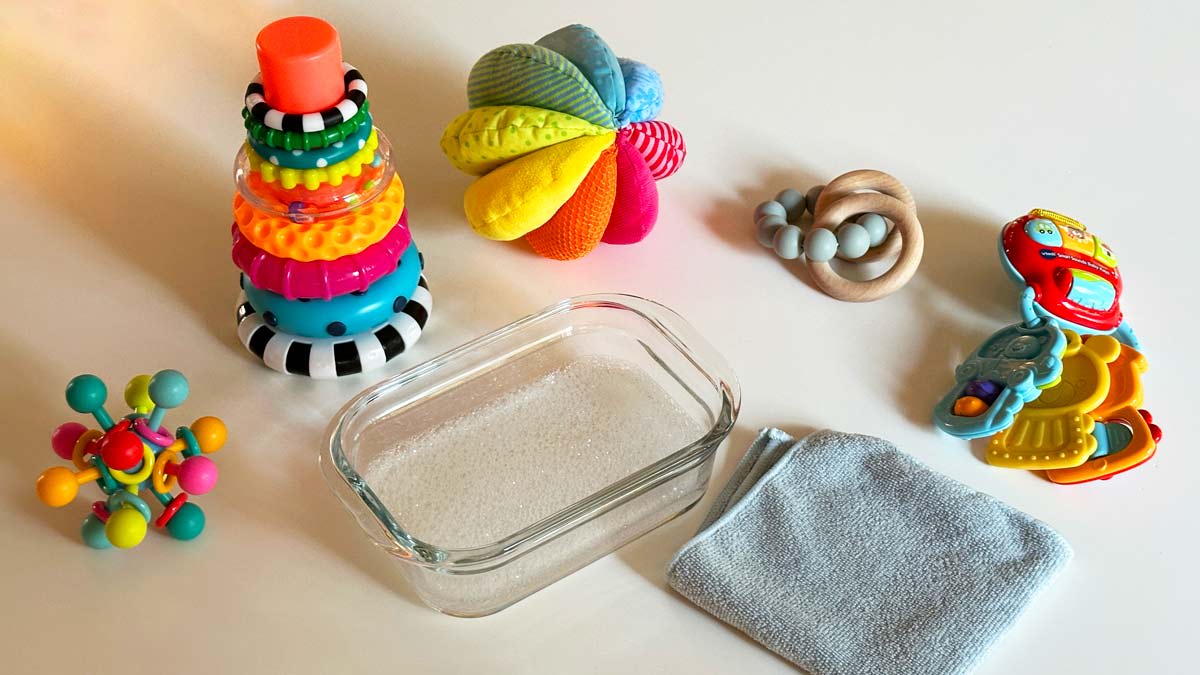
Choosing the right cleaners is central to how to clean baby toys safely. Use gentle, non-toxic options whenever possible.
Safe agents
- Mild dish soap and warm water for routine cleaning.
- Distilled white vinegar for general cleaning (note: vinegar cleans but is not a strong disinfectant).
- 3% hydrogen peroxide for surface disinfection on nonporous toys.
- Diluted bleach solutions for nonporous toys when disinfection is required; rinse thoroughly afterward.
- Steam sterilizers or boiling for heat-safe silicone items and small teethers.
Agents and practices to avoid
- Avoid harsh chemical cleaners, concentrated bleach on porous materials, and solvent-based cleaners.
- Do not use antibacterial sprays or wipes not labeled for children’s toys.
- Avoid essential oils and heavily scented products on items babies may mouth.
- Do not soak wooden toys or submerge battery-powered toys.
Understanding what to use and what to avoid helps you practice how to clean baby toys safely without damaging toys or exposing children to harmful residues.

Cleaning schedule and tips for busy parents
An easy plan keeps toy hygiene realistic for busy families managing how to clean baby toys safely.
- Daily habits
- Wipe down high-touch and mouthed toys each evening.
- Rotate toys so used items can be cleaned while others are available.
- Weekly tasks
- Machine-wash soft toys and run dishwasher-safe toys once a week.
- Check toy boxes and baskets for crumbs or spills and clean the storage area.
- After sickness or shared environments
- Deep clean or replace frequently mouthed toys after colds or stomach bugs.
- Sanitize toys brought into daycare or other shared settings.
Time-saving tips
- Keep a small bin of “to-clean” toys near play areas.
- Use mesh laundry bags for small parts and machine-wash on gentle cycles.
- Label toys that are dishwasher-safe or may tolerate boiling.
A predictable schedule makes how to clean baby toys safely doable even with busy days and multiple caregivers.
Personal experience: lessons learned and common mistakes
From my years testing routines and advising families, these lessons improve how to clean baby toys safely.
- Mistake: soaking wooden toys
- I once soaked a wooden puzzle and the pieces warped. Now I wipe wood and oil lightly, preserving shape and finish.
- Mistake: running battery toys through the dishwasher
- A battery compartment corroded after a wash. I now remove batteries and only surface-clean electronics.
- Helpful habit: rotating toys
- Rotating toys reduced daily cleaning stress and extended toy life. Toys in rotation had less visible wear and needed fewer replacements.
- Practical tip: inspect while you clean
- Cleaning time is inspection time. I often find small tears or loose parts that I repair or retire.
These real-world insights show how to clean baby toys safely while avoiding damage and extra work.
Signs a toy should be discarded
Not all toys can be safely cleaned. Dispose of toys when they show these signs.
- Cracks, splits, or sharp edges that cannot be repaired
- Persistent mold or mildew that returns after cleaning
- Exposed stuffing, tears, or loose small parts
- Battery leakage or electrical damage in electronic toys
- Discoloration or material breakdown that traps dirt
Knowing when to discard a toy is an important part of learning how to clean baby toys safely and keeping children out of harm’s way.
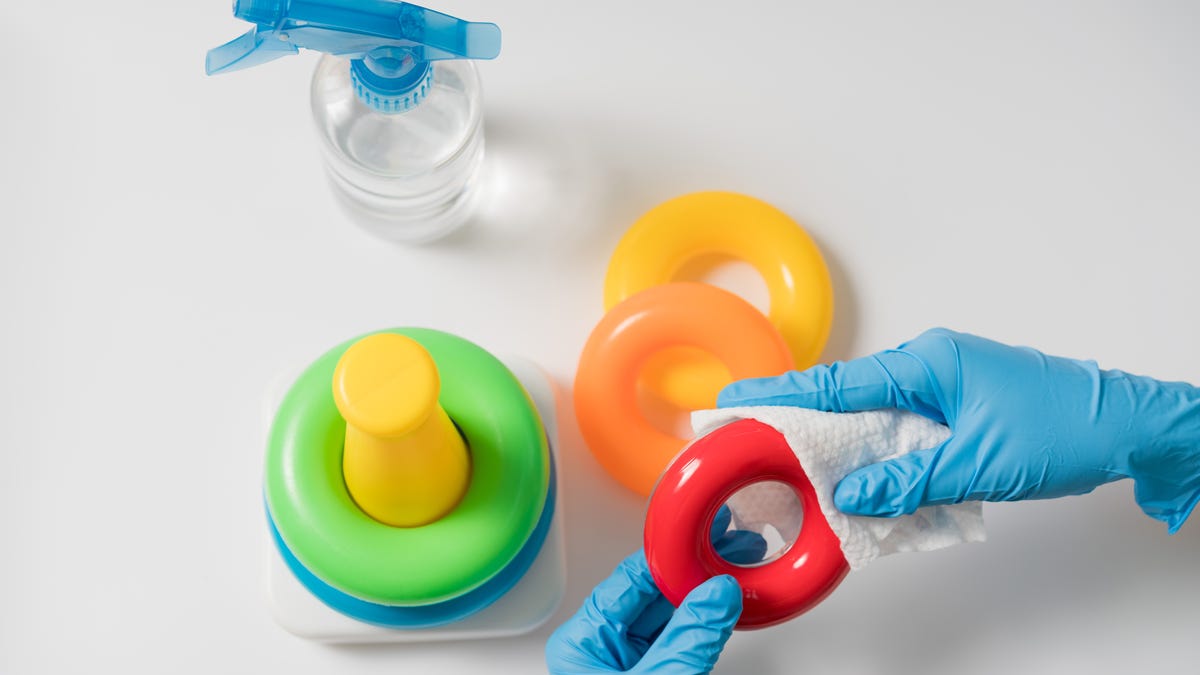
Common quick questions about cleaning baby toys
How often should I clean toys my baby mouths?
Clean mouthed toys daily with soap and water and disinfect weekly or after illness. For small teethers, clean after each use if possible.
Is vinegar strong enough to disinfect baby toys?
Vinegar cleans well but is not a strong disinfectant for killing all pathogens. Use vinegar for routine cleaning and a proper disinfectant for sanitizing when needed.
Can I use the dishwasher for all toys?
Only use the dishwasher for items labeled dishwasher-safe and place them on the top rack. Remove batteries and electronic parts before washing.
Is diluted bleach safe for baby toys?
A properly diluted bleach solution can disinfect nonporous toys; rinse thoroughly and allow toys to air-dry completely before use. Follow public health dilution guidance and manufacturer instructions.
What’s the safest way to clean wooden toys?
Wipe wooden toys with a damp cloth and mild soap, avoid soaking, and dry immediately. Treat unfinished wood occasionally with food-grade oil to prevent cracking.
Frequently Asked Questions of how to clean baby toys safely
How do I clean plastic baby toys that go in the mouth?
Clean plastic toys with warm water and mild dish soap, then rinse and air-dry. For deeper sanitizing, use a safe diluted disinfectant and rinse thoroughly before use.
Can I boil silicone teethers to disinfect them?
Yes, boiling silicone teethers for a few minutes is an effective way to sanitize heat-safe items; check manufacturer guidance first. Allow them to cool and dry before giving them to the baby.
How do I remove mold from bath toys?
Discard bath toys with persistent mold or clean by creating a safe disinfecting soak for nonporous toys, scrubbing interior chambers, rinsing fully, and drying in sunlight. If mold persists, replace the toy.
Are antibacterial wipes safe for baby toys?
Most antibacterial wipes contain chemicals not intended for toys that go into a baby’s mouth, so they are not recommended unless labeled safe for children’s items. If used, rinse the toy with water afterward.
What should I do if my child chews on a toy after it fell on the ground outside?
Rinse the toy with water and wash with mild soap, then sanitize if it’s a nonporous toy or give it a deep clean based on the material. When in doubt, clean thoroughly before returning it to the child.
Conclusion
Keeping playthings clean is a simple, powerful way to protect your child’s health and preserve toys. By learning how to clean baby toys safely—matching methods to materials, using gentle cleaning agents, following a realistic schedule, and inspecting toys regularly—you can reduce germs, prevent damage, and make parenting a bit easier. Start small: pick a daily wipe routine and a weekly deep-clean plan, and adjust as needed for your family. Share this guide, try one new habit this week, and leave a comment or subscribe for more practical child-care tips.


Leave a Reply