
Gentle, fragrance-free, tear-free cleansers with soft towels and a safe tub are the best. What Baby Bath Products Are The Best for soft and safe skin? Read our simple guide with top gentle wash, shampoo, and lotion picks for happy bath time. As a pediatric caregiver and longtime writer on infant care, I will guide you through what baby bath products are the best and why. This article explains how to pick safe cleansers, tubs, towels, and tools. Read on for practical advice, tested tips, and clear criteria to shop with confidence.
Why choosing the right baby bath products matters
Bath time is a core moment for bonding, hygiene, and skin care. Choosing the right items prevents irritation, reduces slips and falls, and makes baths faster and calmer. I have bathed infants in clinical and home settings for years, so I focus on safety, skin health, and ease of use.
Understanding what baby bath products are the best helps you avoid common mistakes. The right choices protect delicate skin and save time. This section explains the core benefits and why product choice matters.

Key product categories and what to look for
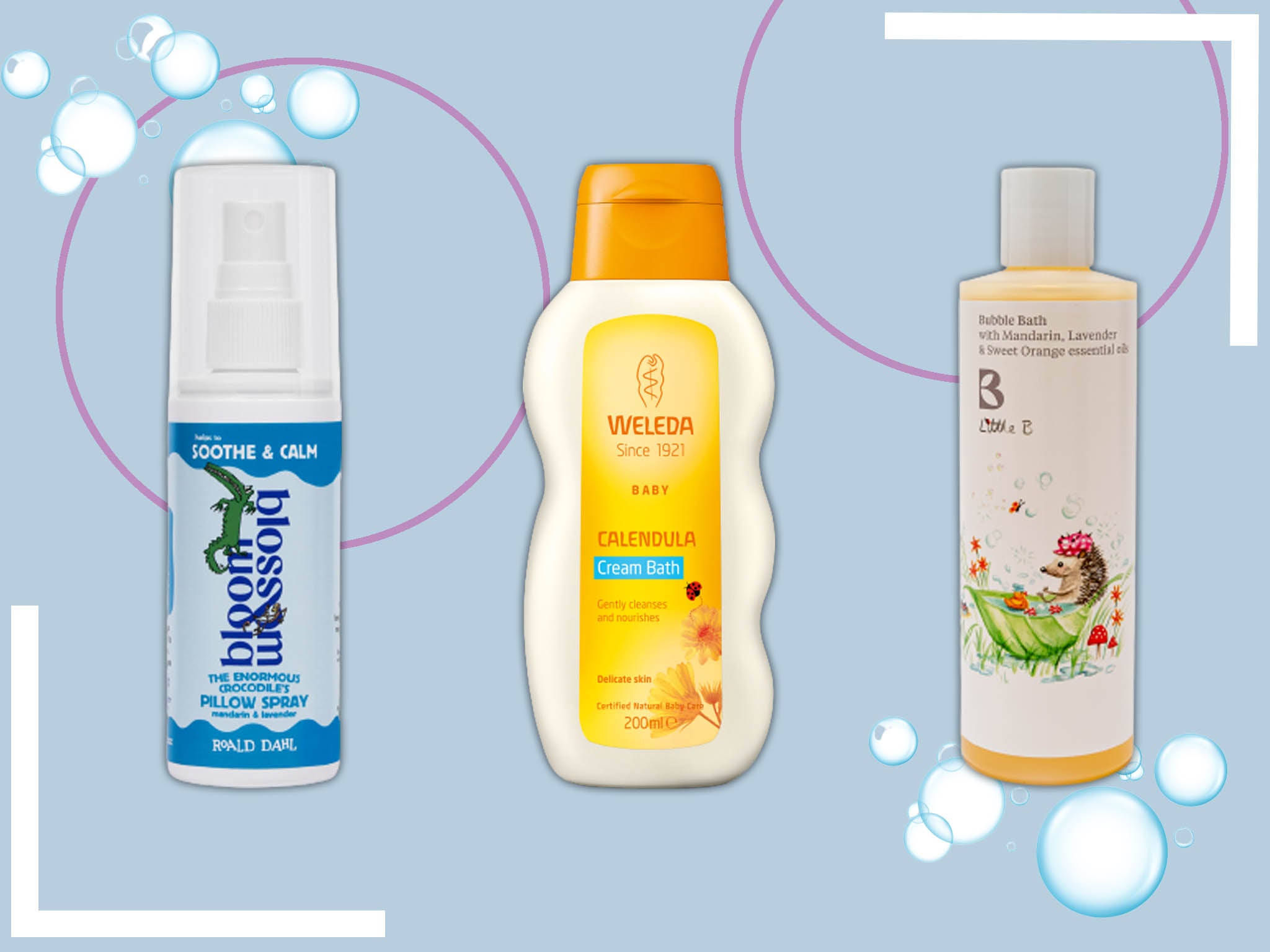
Below are the main categories parents ask about and the top features to prioritize when deciding what baby bath products are the best.
- Baby cleansers and shampoos
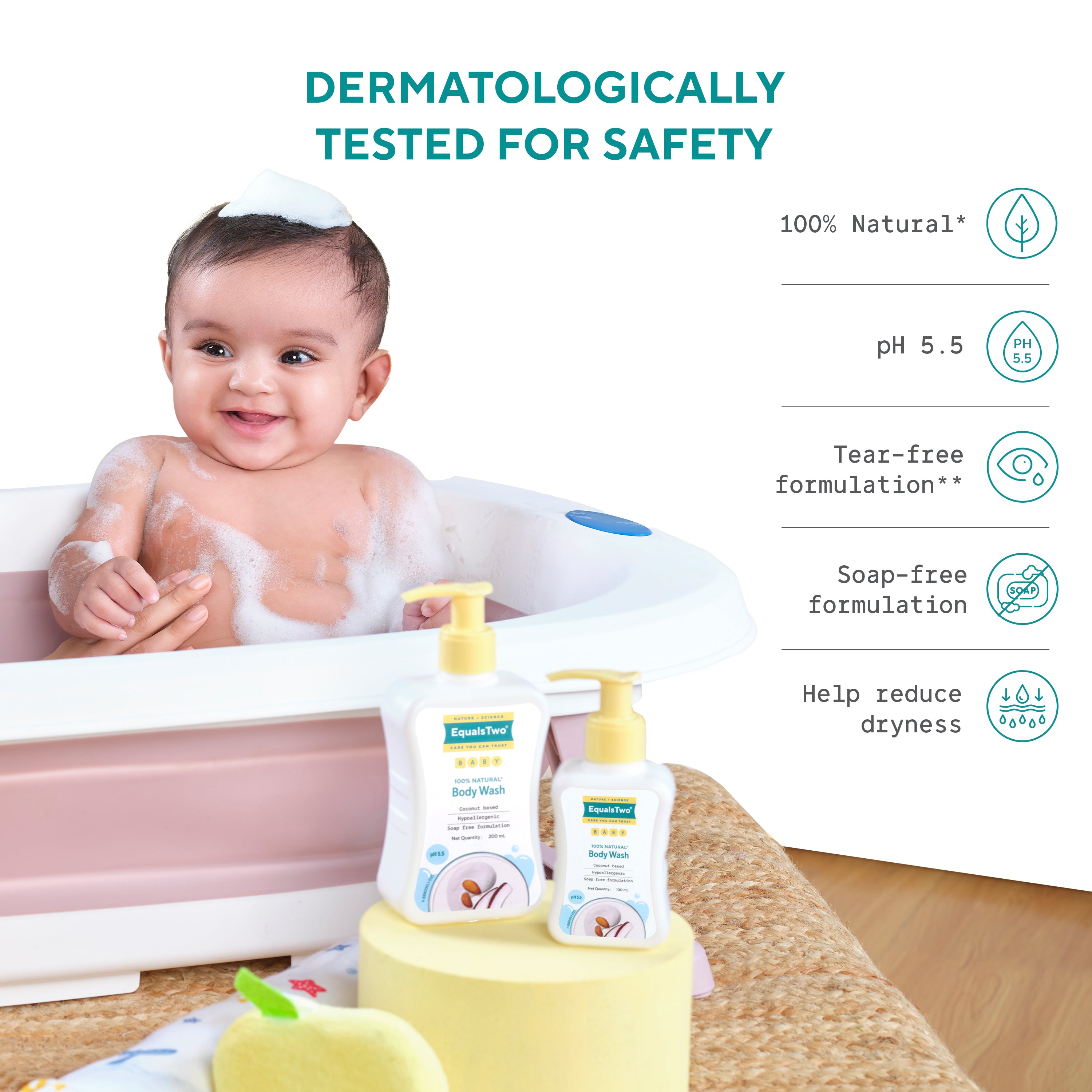
- Look for gentle, pH-balanced, fragrance-free formulas that state “tear-free” and “hypoallergenic.”
- Avoid strong detergents or added dyes.
- Use a small amount; less is often better for newborn skin.
- Baby bath tub or sink insert
- Choose a tub with a non-slip surface and ergonomic support for newborns.
- For limited space, a soft foldable tub or cushioned sink insert works well.
- Drain plugs and easy storage are useful features.
- Washcloths and bath sponges
- Use soft, breathable cotton or bamboo muslin washcloths.
- Avoid rough textures that can irritate skin.
- Keep several on hand for rinsing and drying.
- Rinse cup and water thermometer
- A soft-rim rinse cup helps control water flow and protect the baby’s face.
- A simple digital or stick thermometer ensures safe water temperature (about 98–100°F or 37–38°C).
- Hooded towels and moisturizing products
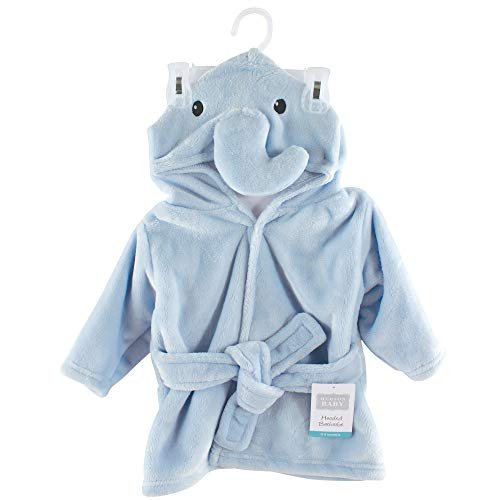
- Choose absorbent, soft hooded towels for warmth after baths.
- Use fragrance-free, pediatrician-tested lotions or oils sparingly on dry areas.
- Bath seat or ring for older infants
- Use these only for supervised baths once the baby can sit with support.
- Check weight limits and suction stability.
Personal tip: I preferred a small, lightweight tub that fit on my counter. It made transfers safer. I learned that a single tear-free cleanser and soft towels were enough for daily use.
Ingredients to avoid and safe alternatives
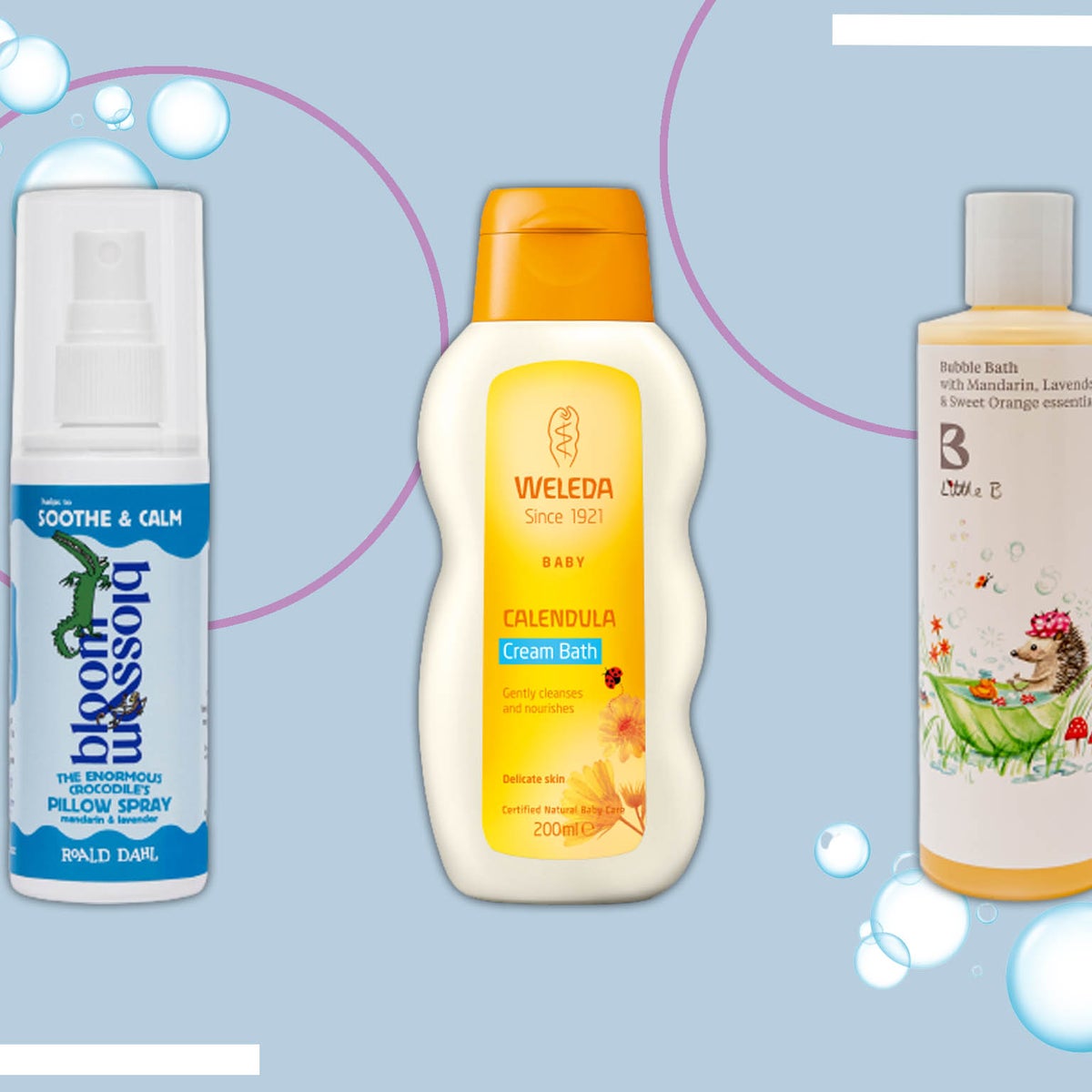
Knowing ingredients helps you choose what baby bath products are the best for sensitive skin.
- Ingredients to avoid
- Harsh sulfates that strip oils and dry skin.
- Fragrances and essential oil blends that can cause reactions.
- Parabens and strong preservatives when gentler options exist.
- Safer alternatives
- Mild surfactants like decyl glucoside or cocamidopropyl betaine in low amounts.
- Glycerin and plant-derived emollients to keep skin soft.
- Minimal ingredient lists labeled pediatrician-tested or hypoallergenic.
I review labels during shopping and test products on a small skin patch before regular use. If a product causes redness or itch, stop use and consult your pediatrician.
Bath safety and practical tips for smooth baths
Safety and routine help every bath go well. These tips reflect both experience and safety guidance.
- Prepare everything before you start
- Lay out towel, clothes, and diaper within arm’s reach.
- Fill tub with warm water and check temperature.
- Keep one hand on the baby at all times
- Never leave a baby unattended, even for a few seconds.
- Move everything close so you never need to step away.
- Use clear, consistent water temperature
- Aim for about 98–100°F (37–38°C).
- Avoid hot tap water and always test with wrist or a thermometer.
- Follow age-appropriate practices
- Newborns may need sponge baths until the cord falls off.
- Gradually move to shallow tub bathing as neck control improves.
- Clean gently and dry thoroughly
- Clean folds and creases well, but do not scrub.
- Pat dry and apply a gentle moisturizer if needed.
My experience: the calmest baths came when I kept sessions short and used the same mild cleanser each time. Babies respond well to routine and gentle touch.
Common questions people also ask (PAA-style)
How often should I bathe a newborn?
Newborns typically need 2–3 baths per week. Daily cleaning of face, neck, and diaper area is enough between full baths.
Is it better to use soap or just water for babies?
Use a mild, pH-balanced cleanser only when needed. For very young newborns, plain water or a small amount of cleanser is usually fine.
What is the right water temperature for baby baths?
Keep bath water around 98–100°F (37–38°C). Use a thermometer or test with your wrist to ensure it feels warm, not hot.

Frequently Asked Questions of what baby bath products are the best
What baby cleanser is safest for newborn skin?
Choose a fragrance-free, pH-balanced, gentle cleanser labeled tear-free and hypoallergenic. A short ingredient list with mild surfactants is ideal.
Can I use adult shampoo on my baby?
It is better to use a baby-specific or mild child cleanser. Adult shampoos may contain stronger detergents and fragrances that irritate baby skin.
When can I start using a bath seat?
Wait until the baby can sit up with minimal support, usually around 6 months, and always supervise closely while using a seat.
Are bath oils or lotions necessary after every bath?
No. Use lotion or oil only on dry patches or when recommended by a pediatrician. Overuse can clog pores or cause reactions.
How do I test if a product causes a reaction?
Apply a small amount to a discreet skin area, wait 24–48 hours, and watch for redness or irritation. Discontinue use if any reaction occurs.
Conclusion
Selecting what baby bath products are the best comes down to safety, simplicity, and skin-friendly ingredients. Prioritize gentle, fragrance-free cleansers, a stable tub, soft towels, and a reliable thermometer. Test products on a small skin patch, keep baths short and supervised, and establish a calming routine that suits your family.
Takeaway: start with a minimal, gentle kit and add items only when they meet safety and skin-health needs. Try these tips at your next bath and refine your choices based on how your baby responds. Share your experiences or questions below, subscribe for more baby-care guides, or leave a comment with your favorite baby bath product.

Leave a Reply